

When people talk about bartending, they often focus more on the recipe, base spirit, ice, or garnish, but few people seriously consider one question: Does the cocktail shaker affect the color of the drink? This question may sound trivial, but if you actually start bartending at home, or if you care about the visual appeal of the finished product, you’ll find that it’s far more important than you might imagine.
When I first started bartending, I thought a cocktail shaker was just a “tool to shake the drink.” But one time, I used the same recipe but a different shaker, and the color of the drink was noticeably different. That’s when I realized that the problem was not so simple.
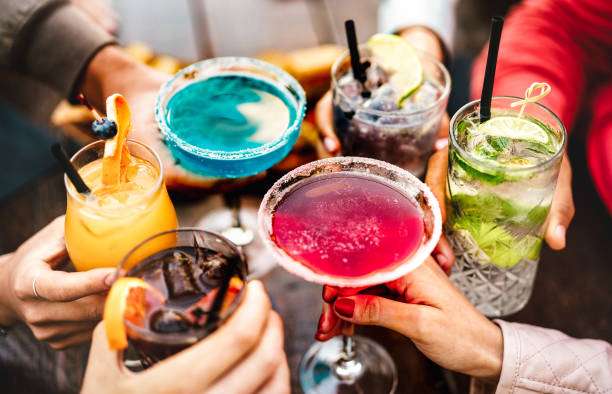
Why is the color of a cocktail so important?
In professional bars, color is often the first impression a customer has of a drink.
At home, color is equally important, as it directly affects your judgment of whether the drink is “successful” or not.
The color of a cocktail typically comes from the following factors:
The transparency or color of the base spirit itself
Fruit juice, liqueur, bitters and other ingredients
Ice melting degree
Oxidation level and light reflection
What many people overlook is that cocktail shakers indirectly affect at least three of these factors.
cocktail shakers affect color
1. Different materials result in different light reflection effects.
Commoncommon materials used in commercially available cocktail shakers are as follows:
Stainless steel
Metal plating (e.g., copper-colored, black)
Glass (less common, mostly found in combination designs)
Stainless steel shakers, with their uniformly reflective surface, effectively block light during the shaking process, preventing external light from interfering with the liquid before pouring. This is why most professional bars choose stainless steel models.
While some dark-colored or coated shakers may look nice, the light has a more noticeable effect on the color of the drink when it is poured, especially for light-colored cocktails, which may appear darker or off-color.
2. Inner wall treatment can affect the clarity of the wine.
Many people don’t know that the treatment of the inner walls of different cocktail shakers actually varies greatly.
The inner wall is finely polished, allowing the wine to flow smoothly and producing finer bubbles.
The inner wall is slightly rough: it is easier to generate more tiny air bubbles when shaken.
“foggy.”Bubbles themselves do not change the true color of wine, but they do affect the color gradations seen by the naked eye. When there are more bubbles in the wine, light is refracted more strongly, making the wine appear lighter and more “foggy”.
Once, I used an old shaker to mix a gin cocktail, and the result was noticeably less clear than usual. I later discovered that there was a slight wear on the inner wall, which caused too many bubbles to form when I shook it.
3. Sealing affects the ice-water ratio, thus affecting the depth of color.
Thethe shaker directly determines whether the shaking process is stable.
Good sealing: ice melting is controllable
Poor sealing: prolonged shaking increases water absorption.
The color will be affected if the ice-to-water ratio changes.
For example:
Red or orange cocktails will become lighter.
“watery.”Clear or pale yellow wines tend to appear more “watery”.
Many people assume it’s a problem with the recipe, but it might just be that the cocktail shaker isn’t properly sealed.
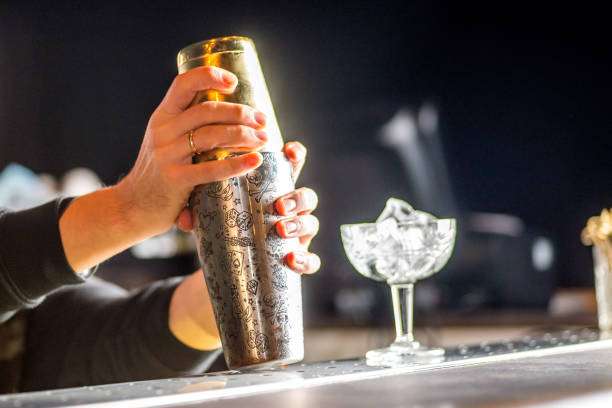
4. Temperature control affects color stability
Professional wine shakers conduct heat quickly, rapidly lowering the temperature of the wine in a short time.
After the temperature drops:
More stable pigments
Reduced risk of turbidity
Especially for cocktails containing fruit juice, egg whites, or dairy products, the more stable the temperature, the cleaner the color.
If you swirl the wine glass slowly to allow it to cool, you might subconsciously swirl it for a few extra seconds, which could cause the color to change.
The sensitivity of different types of cocktails to the color of the shaker.
.Not all cocktails are equally sensitive to cocktail shakers .
The type most sensitive to color changes
Fruit juice-based cocktails
Cocktails containing egg whites
Light-colored, transparent liquor (such as a martini)
These types of drinks are extremely sensitive to the ice-to-water ratio, bubbles, and temperature; differences in cocktail shakers can be magnified.
Relatively insensitive types
Dark-colored liquor (such as whiskey base)
Formulas containing large amounts of liqueur or bitters
Even so, the cocktail shaker will still affect the final clarity and shine.
The difference between home-use and bar-grade cocktail shakers
myself;Many home users ask:
“I only drink it myself, does a cocktail shaker really have that much of an impact?”
From a professional perspective:
:Bar-grade cocktail shaker : stable, controllable, and with consistent color.
:A typical home-use cocktail shaker : usable, but inconsistent.
ButIf you only mix drinks occasionally, the impact won’t be fatal;
but if you care about taking photos of the finished product, sharing it, or the sense of ritual, the difference between cocktail shakers will be significantly amplified.
,I made three cocktails using the same recipe. The first two were made with a regular cocktail shaker , and the third with a heavier stainless steel one. When the three cocktails were placed side by side on the table, the third one was noticeably clearer and cleaner in color.
It was at that moment that I truly understood that a cocktail shaker is not an optional tool.
A cocktail shaker that won’t easily affect the color ?
If you want your wine to have a more stable color, keep these points in mind:
Stainless steel is preferred.
The inner wall is finely polished with no obvious texture.
Reliable sealing, no air leakage even when shaken.
capacity;Moderate capacity, avoid excessive shaking.
A proper cocktail shaker can bring you closer to a bar-quality product.
FAQ:
Q1: Does a cocktail shaker really change the true color of the drink?
It won’t change the chemical color of the drink itself, but it will affect the color you see.
Does the cocktailQ2: Does a transparent
cocktail shaker look better in color? Not necessarily. Transparent versions are more susceptible to light, which may actually amplify color differences.
Q3: Does shaking the liquor for a longer time make the color better?
No, the longer you shake it, the more water it dissolves, and the color will usually become lighter.
Q4: Should beginners pay attention to the color of the cocktail shaker?
If you want your cocktails to be more consistent and look better, it’s good to pay attention to it early on.
Q5: Will an old wine glass affect the color?
Yes, wear and tear on the inner wall will increase bubbles, affecting clarity and visual color.
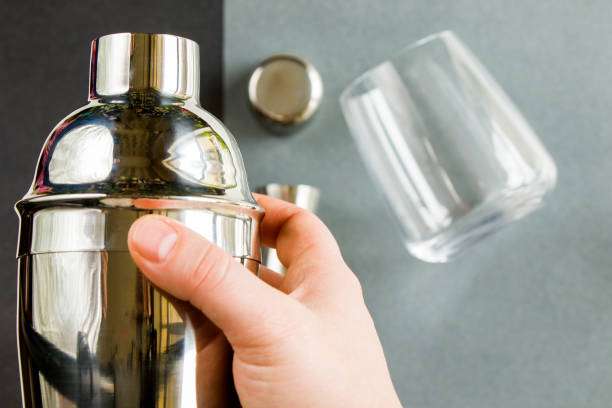
Summarize:
If you start to find that your cocktails “taste right but always look a little off,” it’s probably not a problem with your recipe but rather that your cocktail shaker is subtly influencing the result.
Choosing the right cocktail shaker isn’t just about making it easier to use; it’s about ensuring that every drink you make tastes and looks closer to your ideal.