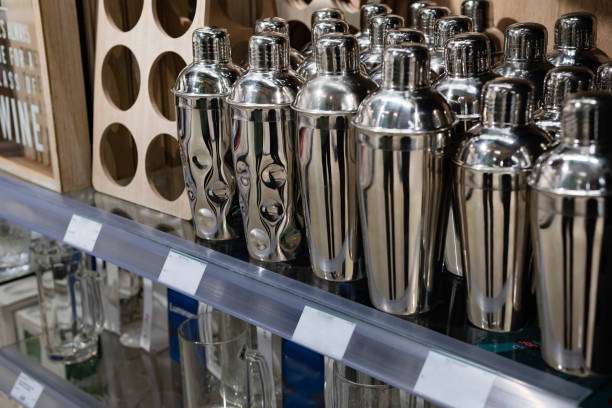
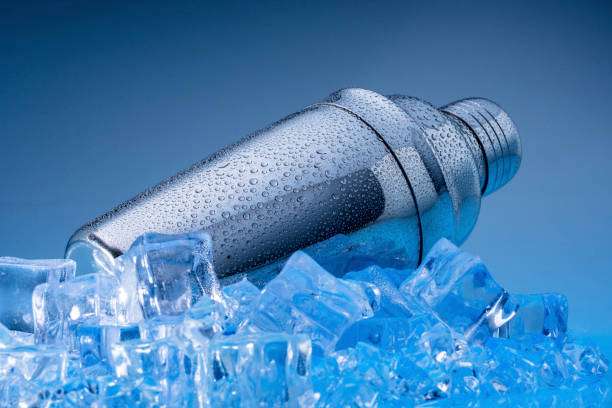
A cocktail shaker is an indispensable tool for mixing cocktails, but many people encounter a problem when using a chilled shaker—condensation forming on the glass.
Water droplets not only affect the feel of the shaker but can also drip onto the bar or table, causing slipperiness and inconvenience. This article will explain in detail the problem of condensation after freezing a cocktail shaker and provide solutions, including information analysis, usage tips, and experience sharing.

Analysis of the reasons for condensation after freezing a wine glass
1. Water vapor condensation caused by temperature difference
When a wine glass is taken out of the refrigerator or freezer, the temperature of the glass wall is usually lower than the dew point temperature of the air. Water vapor in the air will condense directly on the surface of the glass wall when it gets cold, forming water droplets.
2. Material and thermal conductivity
- Stainless steel cocktail shaker: It conducts heat quickly, the cup wall temperature is very low, and condensation is likely to occur, but the cooling effect is also the best.
- Glass or copper shaker glasses: conduct heat more slowly, resulting in less condensation, but cool down more slowly.
I personally used a double-walled stainless steel shaker. Although it cooled down quickly, small water droplets would appear on the surface within a few minutes after it was taken out of the glass. If there was no cloth to place it on, it would drip everywhere.
3. Ambient humidity
In high-humidity environments, condensation is more pronounced. In summer or when indoor humidity is high, water droplets will quickly condense on the surface of a swirled wine glass, even after only a short time.
4. Shaking glass design structure
- Single-layer cup: Directly in contact with air, resulting in obvious condensation.
- Double-walled insulated cup: The air layer acts as a buffer, reducing condensation, but condensation may still occur at contact points or the cup rim.
Tips and solutions for condensation issues with cocktail shakers
1. Pre-chill first, then shake the wine.
To reduce direct condensation, you can refrigerate the wine glass for a while before freezing it.
- Refrigerate for 30–60 minutes, until the cup walls are slightly below room temperature.
- The cooling effect is sufficient, and condensation is significantly reduced.
2. Use double-walled insulated cups or silicone cup sleeves.
Many professional bars use double-walled insulated shaker glasses or silicone sleeves:
- The double-layer design forms an air buffer layer.
- The temperature of the outer cup wall should not be too low.
- Comfortable to hold and reduces condensation
3. Use with coasters and absorbent cloths
Even with pre-cooling or insulation measures, a small amount of condensation is still unavoidable.
- Place non-slip coasters on the bar counter
- Prepare an absorbent cloth and wipe it down as needed.
- Using highly absorbent paper napkins can also temporarily prevent dripping.
4. Shake gently and avoid leaving it still for a long time.
Condensation will be more noticeable on frozen cocktail shakers that have been left to stand for a long time.
Immediately after removing from the heat, add ice and ingredients and shake.
During shaking, the water droplets disperse and do not concentrate into drips.
5. Environmental optimization
- Reduce indoor humidity
- Using air conditioning or dehumidifiers in summer can reduce air humidity and decrease condensation at the source.
Sharing practical experience
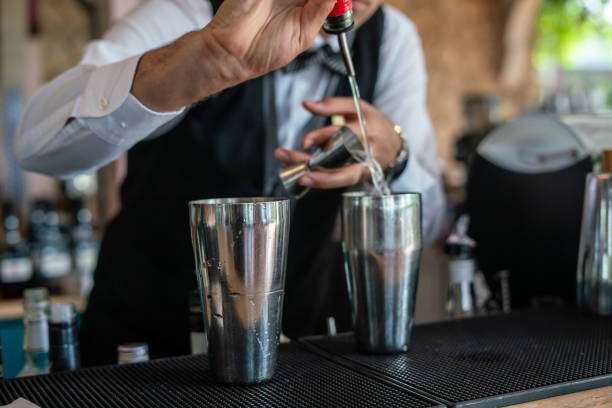
I’ve tried several ways of using a cocktail shaker at home and found the following combination to be the most effective:
Refrigerated Cocktail Shaker + Double-walled Stainless Steel Cup + Coaster
- Refrigerate for 40 minutes
- Only a small amount of condensation occurred during the shaking process.
- Comfortable to hold and does not drip water.
Add ice directly to a single-walled glass and wipe the rim dry before shaking.
- It cools quickly, but condensation is noticeable.
- Use a coaster to absorb any dripping water.
- Suitable for quick preparation in a short time, but not suitable for long-term storage.
Condensation cannot be completely eliminated, but proper pre-cooling and the use of insulated cups and matching mats can make the process cleaner and more comfortable.
FAQ:
Will
Do frozen cocktail shakers always condense? Yes, this is because temperature differences cause water vapor in the air to condense. However, this can be reduced by pre-cooling, using a double-walled container, and adding a cloth.
Q2: Will condensation affect the taste of cocktails?
No, condensation only affects the feel and the operating environment, not the drink itself.
Q3: Why does a double-walled cup condense less condensation than a single-walled one?
A double-walled insulated cup forms an air buffer layer between the inner and outer layers, reducing the temperature difference between the cup’s surface and the air, thus reducing condensation.
Q4: Can using ice cubes reduce condensation?
Ice cubes can speed up the cooling of drinks, but they have little effect on condensation on the outer wall. It is still recommended to use a pre-cooled or insulated cup.
Q5: What should I do if there is severe condensation?
- Use non-slip coasters
- Prepare absorbent cloth
- Avoid leaving it in a high-humidity environment for too long.
Summarize:
If you’re also bothered by condensation forming in your shaker when chilling cocktails, consider upgrading to a high-quality double-walled stainless steel shaker, complete with a non-slip mat and absorbent cloth for a cleaner and more comfortable experience.
Check out our cocktail shaker range to make your bartending experience both professional and dry!