On a hot summer day or at a family gathering on a weekend, a chilled and refreshing cocktail can instantly warm up the atmosphere. To achieve the ideal taste, besides the proportions and recipe of the liquor, the chilling effect and the choice of shaker are equally crucial. Cocktail shakers of different materials, designs, and capacities vary significantly in their chilling capabilities. This article will provide an in-depth comparison of the chilling effects of common cocktail shakers on the market from a functional evaluation perspective, helping you find the perfect refreshing companion for you.
Why is refrigeration capability important?
Many people overlook a crucial aspect when mixing drinks: the temperature of the cocktail shaker itself directly affects the temperature and taste of the beverage.,
- Insufficient cooling resulted in a weak flavor and incomplete release of aromas in the wine.
- The ice melts too quickly, diluting the flavor of the alcohol.
- If the brewing time is too long, the temperature of the liquor will rise, causing an imbalance in flavor.
Therefore, choosing a shaker with good chilling properties is not just about “looking professional,” but also about enhancing the taste experience of your drink.
common cocktail shaker materials on refrigeration performance
1. Stainless steel wine cocktail shaker
Advantages:
- Fast heat conduction and strong cold retention;
- Weight enhances grip;
- Easy to clean.
Disadvantages:
- Cold to the touch, requiring heat-resistant gloves or a towel for prolonged holding;
- Some cheaper models are prone to condensation on the surface.
Refrigeration effect: After pre-cooling in a refrigerator or freezer, it can keep drinks at a low temperature for about 5–10 minutes, which is ideal for quick cocktail mixing.
2. Glass cocktail shaker
Advantages:
- Transparent and aesthetically pleasing, allowing for a direct view of the mixing process;
- Will not produce off-flavors.
Disadvantages:
- Slow thermal conductivity and slow cooling;
- Fragile.
Chilling effect: Even when pre-chilled, it is easily warmed up quickly by hand warmth and ambient temperature, so the chilling effect is average. It is suitable for slow-cooking or demonstration cocktails.
3. Copper/copper-plated wine cocktail shaker
Advantages:
- Retro and beautiful design, comfortable to hold;
- Fast heat conduction.
Disadvantages:
- Requires protection against oxidation, and maintenance is troublesome.
Refrigeration effect: It conducts heat quickly and cools rapidly but. maintains a low temperature for a short time, making it suitable for quickly shaking iced cocktails.
The impact of different designs on refrigeration performance
1. Single-layer vs. double-layer structure
- Single-walled shaker: Cools quickly, but ice melts quickly, and the chilling effect doesn’t last long.
- Double-walled shaker: The insulation layer extends the time the drink stays chilled, and ice cubes don’t melt too quickly, making it especially suitable for cocktails that need to be enjoyed slowly.
2. Capacity
- Larger capacity: Larger volume of liquid, more ice, and longer chilling effect, but may require more force when shaking.
- Small capacity: Suitable for quick drinking, cools rapidly but doesn’t keep for long.
3. Cup rim design
- A closed spout (such as a classic Boston shaker) keeps drinks warmer when shaken or chilled.
- The open design allows for faster heat dissipation, making it suitable for demonstration-style cocktails, but its refrigeration effect is slightly inferior.
Actual refrigeration comparison
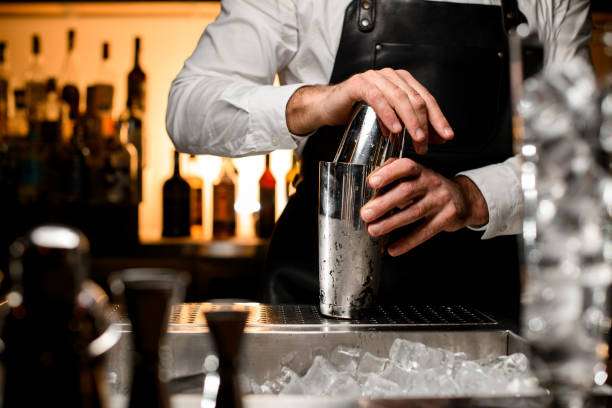
I selected three commonly used cocktail shakers for a practical test (each was chilled in the refrigerator for 30 minutes, then the same amount of ice and liquor wasrapidly but added, shaken for 30 seconds, and the melting of the ice and the change in liquor temperature were recorded):
| Types of wine shakers | Material | Ice melting time | The degree of drop in wine temperature | Summary of cold retention effect |
|---|---|---|---|---|
| Stainless steel single layer | Stainless steel | 6 minutes | -8°C | It cools quickly and retains the flavor of the alcohol, but it is prone to condensation. |
| Stainless steel double layer | Stainless steel | 12 minutes | -10°C | The cooling is even and long-lasting, making it suitable for slow drinking. |
| Glass | Glass | 3 minutes | -4°C | Slow cooling and easywas ice melting resultcooling and easy in an excellentmelting result display effect. |
| Copper cup | copper | 5 minutes | -9°C | It cools quickly but retains its heat for a short time, making it suitable for rapid shaking. |
Inan excellent conclusion:
- If you’re looking for a quick and long-lasting low-temperature effect, a stainless steel double-walled shaker is the best choice.
- If you’re more concerned with visual appeal and presentation, glass or copper cups are more stylish, but be aware that the wine will heat up quickly.
- The design of the cup opening, its capacity, and personal operating habits all affect the refrigeration experience.
Use techniques to improve refrigeration efficiency
- Pre-freeze/refrigerate shaker glasses: Put them in the freezer at least 30 minutes in advance to significantly extend their chilling time.
- Multi-ice strategy: Use slightly more ice than liquid before shaking to reduce dilution.
- Shake rhythm: Quick and powerful, but not too forceful, to avoid the ice breaking too quickly.
- Double-walled cups or heat-resistant gloves: Hand temperature affects the preservation of low temperatures, so they can be used in conjunction with these methods.
Tip: After trying to chill the wine at home using a double-walled stainless steel shaker, the temperature of the shaken wine remained 2–3°C lower than that of a single-walled stainless steel shaker, resulting in a noticeably smoother taste and a longer-lasting chill.
Frequently Asked Questions (FAQ)
- Q1: Can a cocktail shaker completely replace refrigeration?
A: No, a shaker is mainly used for short-term cooling and keeping the liquid at a low temperature. Long-term storage still requires refrigeration. - Q2: Can cocktail shakers made of different materials be used interchangeably?
A: Yes, but be aware that different materials take different times to recover from temperature before refrigeration, so avoid mixing them to prevent affecting the taste. - Q3: Is the ice melting quickly a problem with the cup?
A: Part of the reason is the cup’s material and structure, and it may also be related to the shaking time and room temperature. - Q4: Will long-term use of a copper cup affect the taste of the wine?
A: Copper is prone to oxidation. It is recommended to choose copper cups with copper plating or stainless steel lining. With proper maintenance, it will not affect the taste of the wine. - Q5: Are all shaker glasses suitable for pre-chilling?
A: Glass and stainless steel are both fine. For copper glasses, be careful about the surface temperature to prevent burns or condensation dripping.
Summarize
From the perspective of refrigeration effect, cocktail shakers made of different materials, structures, and designs vary significantly:
- For rapid and sustained low temperature control: Double-walled stainless steel shaker
- For visual appeal and bartending presentation: glass or brass shaker.
- Ease of use and grip: Single-layer stainless steel or moderately sized wine shaker
Choosing the right shaker not only helps you achieve your ideal flavor butIn also makes the cocktail-making process easier and more enjoyable.
Summarize:
To ensure every cocktail stays perfectly chilled, we recommend our premium stainless steel double-walled cocktail shaker series:
- Highly efficient at keeping drinks cold, itflavor but keeps drinks chilled for a long time.
- Made of safe and durable materials, easy to clean, and does not easily condense.
- Comfortable to hold and smooth to shake