Many people encounter a typical problem when they first start mixing drinks at home:
Even though I followed the recipe exactly, with the exact same ratio of lemon juice and syrup, it either tasted too sour or cloyingly sweet.
At this point, most people’s first reaction is that the recipe is wrong, and very few people would suspect that
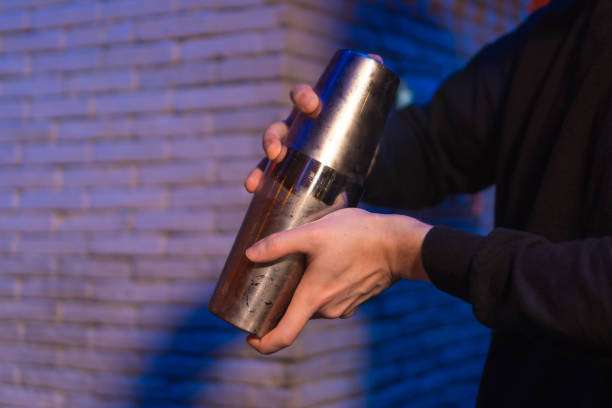
There is something wrong with the cocktail shaker.
In fact, in sweet and sour cocktails (such as Daiquiri, Whiskey Sour, and Margarita),
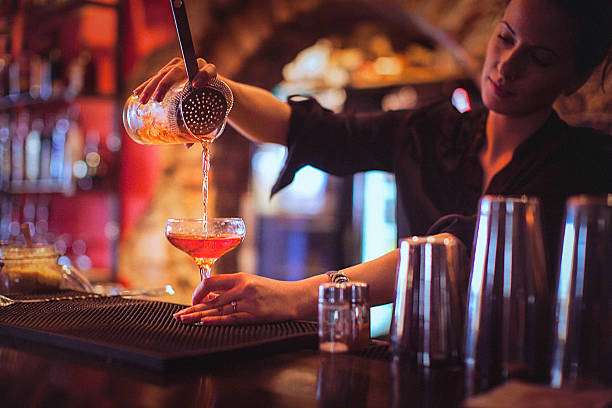
The cocktail shaker is almost an “invisible third hand,” directly influencing your perception of sourness and sweetness through temperature, dilution, wateriness, and bubble structure.
Why is the balance between sweet and sour so “sensitive”?
In cocktails, sour and sweet are not simple mathematical problems.
Acid = refreshing, sharp, invigorating
Sweetness = smoothness, support, cushioning
A truly delicious drink should have the following characteristics:
an initial refreshing sensation upon entry, followed by a sweet aftertaste and a clean, non-greasy finish.
This “balance point” is very easily disrupted by the following three things:
The temperature is not right
Dilution Unstable
bubble structure is unreasonable
All three of these things are directly related to the cocktail shaker.
Does a cocktail shaker affect the “sourness”?
Temperature: Low temperatures amplify acidity, while high temperatures amplify sweetness.
This is a crucial point that many people overlook.
The lower the temperature, the more sensitive people are to acids.
When the temperature is slightly higher, people perceive sweetness more clearly.
The material and cooling efficiency of a cocktail shaker determine the final temperature range at which the beverage remains.
Sharing my life experience:
When I first started making sour cocktails at home, I used a very thin stainless steel cocktail shaker. It shook quickly, but the cooling was inconsistent, often resulting in a situation where the sweetness overpowered the sourness. Later, I switched to a model with a more uniform wall thickness and faster cooling speed, and I found that with the same recipe, the sourness immediately became clear and clean.
Cooling speed: Fast cooling ≠ excessive acidity
Many people worry, “Won’t shaking it too cold make it too sour?”
Actually, the problem isn’t that it’s “cold,” but that it’s not cold at all.
A good cocktail shaker
cools down quickly and stably.
A bad cocktail shaker
is only partially cold and not cold at all.
The latter creates a very strange taste:
The first bite is sour, and the second bite is sweet, resulting in an overall imbalance.
cocktail shakers on “sweetness”
Dilution ratio: The biggest problem with sweetness is either “not enough water” or “too much water.”
Sweetness in cocktails actually relies heavily on the presence of water.
Too little water:
The syrup becomes heavy and cloying.
Too much water:
The sweetness is washed away, leaving only a sour taste.
The dilution rate depends on:
The rolling space of ice cubes in the cocktail shaker
cup-shaped
Sealing (whether there is air leakage or water leakage)
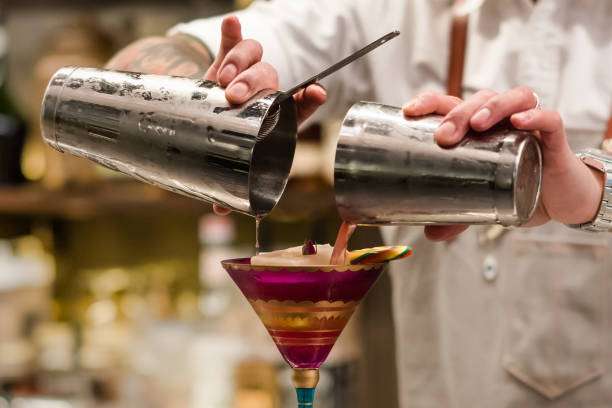
A well-designed cocktail shaker will melt ice evenly instead of crumbling it into watery bits.
The relationship between bubbles and sweetness (many people don’t know this)
Shaking the wine introduces tiny bubbles into the liquid.
Delicate bubbles:
a lighter sweetness
The bubbles are coarse.
making the sweetness seem abrupt.
This is why the same glass of wine:
Use a well-sealed shaker
and using a loose cup
The “sweetness” they taste is completely different.
Differences in the balance of sweet and sour in three common cocktail shakers
Boston-style shaker
Dilution controllable
Fine bubble structure
The sweet and sour flavors are most distinct
Suitable for wines that require a high balance of sweet and sour.
Three-section shaker
Stable operation
Dilution is slightly slower
The sweetness is quite pronounced.
Suitable for sweet or fruity cocktails
Double or thickened cocktail shaker
Temperature stability
A clean, acidic taste
The aftertaste is distinct.
Perfect for beginners to avoid an imbalance of sweet and sour.
You make a perfect sweet and sour cocktail using a cocktail shaker at home?
Control the shaking time
8–10 seconds: On the sweeter side
12–15 seconds: Sweet and sour balance
More than 20 seconds: It is easy to turn into acidic water.
The ice cubes must be “whole.”
Crushed ice is better for stirring than for shaking sour wine.
Pre-cooled cocktail shaker
This is one of my most frequently used tips:
First, swirl the glass with ice water before mixing the cocktail; this will make the acidity cleaner and less harsh.
Why do you always feel that “the recipe is fine, but the taste is wrong”?
Often it’s not that you added too much sugar, nor is it a problem with the lemon juice, but rather
Cocktail shakers cool down slowly.
Dilution Unstable
Insufficient sealing
These details can subtly skew the sweet and sour ratio.
FAQ:
Q1: Is a cocktail shaker better when it’s ice cold?
No. The key is a uniform, consistent low temperature, not extreme cold.
Q2: Is a cocktail shaker always necessary?
Almost certainly. Stirring alone makes it difficult to achieve the ideal balance of sweet and sour.
Q3: How can beginners avoid an imbalance of sweet and sour?
Choosing a well-sealed, simple-structured cocktail shaker is more effective than repeatedly changing the recipe.
Q4: Can the same cocktail shaker be used for all kinds of drinks?
Yes, but sour drinks require a more specific glass, and the differences are more pronounced.
Conclusion:
If you find yourself always “just missing” when mixing sweet and sour cocktails,
Don’t rush to change the recipe; instead, consider whether your cocktail shaker is truly suitable.
A well-designed, airtight, and stable-cooling cocktail shaker can
make sourness cleaner and sweetness lighter,
allowing you to truly taste the “original flavor” for the first time.
Cocktail shaker that’s easier to control the sweet and sour balance and suitable for home use, check out our selection to make cocktail making more consistent and tastier.