

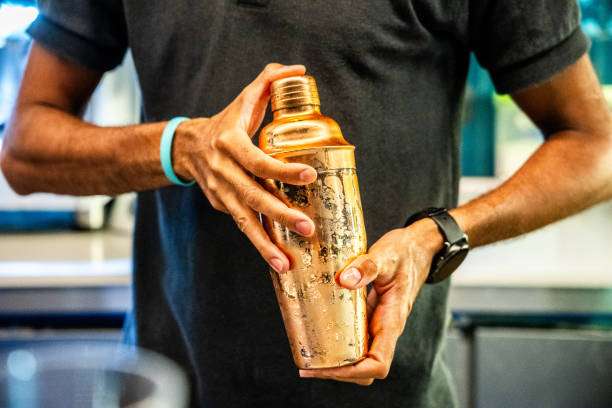
In the process of mixing cocktails, a high-quality cocktail shaker not only determines the experience of handling the drink but also directly affects its taste and safety. Among these factors, sealing performance is particularly important. A poor seal can lead to leakage, wasting ingredients, making a mess of the work surface, and even disrupting the mixing process. This article will provide an in-depth technical analysis of the sealing performance of double-walled cocktail shakers to help you choose the right product more effectively.

Double-layer cocktail shaker structure and sealing principle
Advantages of the double-layer design
Double-layered cocktail shakers typically use an inner and outer cup nested together.
Inner cup: Usually made of metal or glass, it comes into direct contact with the beverage and is resistant to both cold and heat.
Outer glass: Increases heat insulation, makes it easier to hold, and prevents hand temperature from affecting the wine.
The dual-layer design not only enhances grip comfort but also provides additional support for sealing performance.
Explanation of Sealing Principle
Sealing performance mainly depends on the following factors:
The tighter the fit between the inner and outer cups, the less likely the liquid will leak.
with its flexible materials
can maintain their shape, thus ensuring a continuous seal.
the pressure is balanced and
shaken, the slight elasticity of the inner and outer layers can absorb the pressure fluctuations generated by the liquid, preventing the wine from spilling out.
Experience sharing: I used a regular double-walled cocktail shaker, and it leaked when I shook it with a full volume of liquid; after replacing it with a high-precision double-walled cup, there was no leakage even when shaking at high speed.
Key factors affecting sealing performance
Material Selection
Stainless steel: Corrosion resistant, impact resistant, and has stable sealing properties, making it the first choice for bartenders.
Glass: Can show color changes in liquids but is fragile and requires a higher level of sealing.
Silicone gaskets (if any): increase friction and seal tightness but are prone to wear and require regular inspection.
Machining precision
Products with a cup rim tolerance of ±0.1 mm have a significantly better sealing effect than products with a tolerance of ±0.5 mm.
High-precision double-walled cups leak almost no liquid when shaken, while low-precision products may leak even with a slight shake.
How to use
Make sure the cup opening is clean and free of liquid residue before shaking to improve the sealing effect.
Gently close the lid before shaking vigorously to avoid leakage due to excessive impact.
III. Test Method for Sealing Performance of Double-Layer Cocktail Shaker
To objectively analyze the sealing performance of a double-layered cocktail shaker, the following test methods can be used:
Static sealing test
Fill the glass with water or cocktail liquid and gently shake it 10–15 times.
Check for any liquid leakage between the inner and outer cups.
Dynamic shaking test
The shaking speed is divided into three levels: slow, medium, and fast.
Observe the sealing performance under different shaking speeds.
Temperature adaptability test
After adding cold drinks or ice cubes to the cup, shake to test for a seal.
The expansion or contraction of the cup body due to temperature changes directly tests its sealing performance.
I once conducted a shaking experiment on cold drinks and found that the double-walled stainless steel cocktail shaker remained leak-free even when ice was added and shaken at high speed, while the ordinary glass cocktail shaker leaked slightly.
How to choose a high-sealing double-walled cocktail shaker
The cup rim fits snugly
The joint between the inner and outer cups should be uniform and seamless, with a firm feel.
Once gently closed, the cup will not easily separate.
Reliable materials
High-quality stainless steel or tempered glass is preferred.
Silicone gaskets need to be soft and durable to avoid aging that could affect the seal after long-term use.
Brand and Precision
Well-known brands are often more reliable in terms of processing precision and sealing design.
Choosing products with strict tolerance control ensures a more stable sealing effect.
Double-Layer Cocktail Shaker Sealing Performance (FAQ)
Q1: Will a double-walled cocktail shaker never leak?
Not necessarily. Sealing performance depends on manufacturing precision, materials, and usage. High-quality products have good sealing, but improper operation can still lead to leaks.
Q2: What should I do if my cocktail shaker leaks?
Check if the rim of the cup is clean and if the inner and outer cups fit properly; if necessary, you can replace the silicone gasket or choose a high-precision product.
Q3: What is the difference in sealing performance between double-walled glass cups and stainless steel cups?
Stainless steel double-walled cups are more impact-resistant and have more stable sealing performance; glass cups are fragile and prone to leakage due to temperature changes or tolerance deviations.
Q4: Will ice cubes affect the seal?
Ice cubes will increase the liquid impact force when shaken, but the high-quality double-walled design can absorb the pressure, and the seal remains reliable.
Q5: How to extend the life of a cocktail shaker seal?
Avoid impacts from hard objects, regularly check the gaskets, and thoroughly dry them after cleaning to extend the sealing effect.

Summarize
The double-sealed cocktail shaker is crucial for a superior bartending experience. Its high seal not only ensures smooth operation but also prevents wasted ingredients and hassle-free cleaning.
Material priority: Stainless steel or tempered glass combined with high-quality silicone gaskets.
Machining precision: The smaller the tolerance, the more stable the seal.
Usage tips: Gently close the container before shaking, keep it clean, and master the shaking rhythm.
Choosing a high-quality double-layer cocktail shaker, I feel much more at ease making all kinds of cocktails at home, and I no longer have to worry about leaks making a mess on the table or wasting drinks.