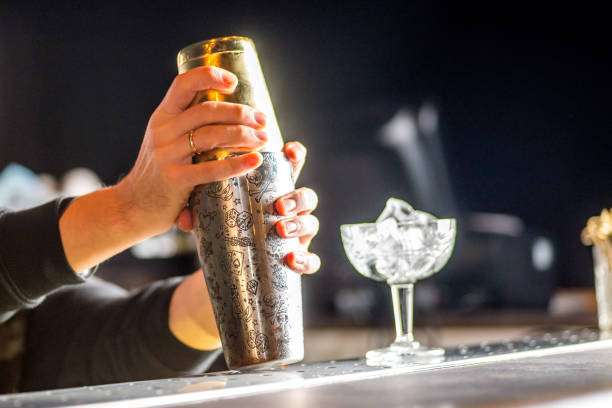
are startled by a phenomenon when using a cocktail shaker for the first time—the moment it is opened, there is a hissing sound, foam rushes out, and the lid is even blown off.
I made the same mistake when I first started making cocktails at home. I used a liquor that looked “very mild,” but after shaking it, I couldn’t open it at all. I ended up wrapping it in a towel and slowly releasing the gas to get out of trouble. Later I realized the problem wasn’t the amount of force; it was the bubbles.
In this article, we’ll start by explaining how bubbles form, then discuss which wines naturally produce bubbles, which are absolutely unsuitable for cocktail shakers, and the details you need to pay attention to in practice.
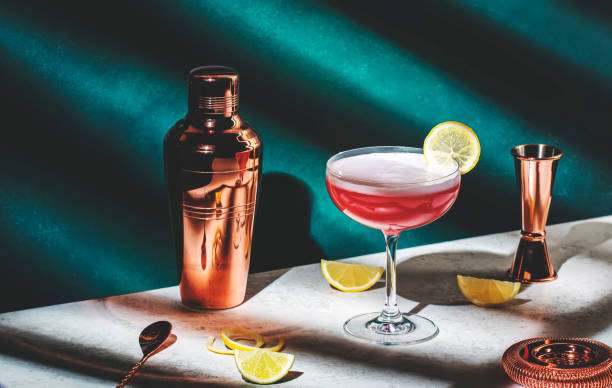
How exactly are the bubbles generated in a cocktail shaker?
Shaking the liquor ≠ Stirring: What you’re doing is “vigorous mixing.”
Using a cocktail shaker, you essentially do three things:
- violently shaking liquid
- Forced air introduction
- Rapid cooling (with ice)
When these three conditions are combined, it is very easy for gas to be released or trapped in the liquid, forming a large number of tiny bubbles.
Simply put: you’re not “shaking the wine,” but rather artificially creating pressure and a gaseous environment.
Pressure changes are the trigger for bubble bursts.
In a sealed cocktail shaker:
- Shaking → Increased internal pressure
- Stop → Temperature rises slightly
- Open → Instant pressure release
This process is very similar to opening a bottle of soda that has been shaken.
The bubbles weren’t formed suddenly; they were constantly being compressed.
Ice cubes also “help create bubbles.”
Many people overlook this point:
- The surface of the ice cube is not smooth
- It will provide a large number of “nucleation sites.”
- Gases are more likely to accumulate and be released at these points.
Therefore, the same wine:
- No ice → Relatively stable
- Add ice and shake. → Noticeably more bubbles appear
This is why a cocktail shaker + ice + sparkling liquor = a high-risk combination.
Which wines are naturally “effered by bubbles”?
Not all foaming issues are due to improper handling. Some wines are simply not meant to be shaken.
Carbonated wines (naturally sparkling)
The following types of alcoholic beverages contain a large amount of dissolved gases:
- Champagne
- Prosecco
- sparkling wine
- Soda water
- Tonic Water
These drinks will almost certainly produce a lot of bubbles once they are put into a cocktail shaker.
Correct method:
After shaking the other base spirits, pour the mixture directly into the glass to mix, instead of shaking it all together.
Wine containing residual gases from fermentation
Some wines may appear to be “flat,” but they are actually:
- beer
- Some naturally fermented fruit wines
- Handcrafted Kombucha Alcoholic Beverages
It is still possible to release gas when shaken.
I once experimented with craft beer, and with a gentle shake, the cocktail shaker popped right off. That’s when I realized:
It wasn’t flat; it was just that I hadn’t done anything to it.
High-protein/High-viscosity wine
This type of wine may not be carbonated, but it forms foam very easily.
- Contains egg white (such as egg white)
- Creamy liqueurs
- Mixture containing fruit puree and pulp
a cocktail shaker, they form a stable foam structure that looks “like sparkling wine.”
This is not a gas burst but rather a result of the strong stability of the foam structure.
Which types of alcohol are suitable for a cocktail shaker?
To reduce the risk of bubbles, you can remember a simple principle:
Carbohydrate-free, low-sugar, low-viscosity = Safer
Recommended drinks to shake:
- Vodka
- Gin
- rum
- agave
- Whiskey (used in cocktails)
These drinks perform relatively consistently in cocktail shakers.

Practical tips for avoiding uncontrolled bubbles when using a cocktail shaker
Always add sparkling wine last.
This is the most important point:
Do not mix any carbonated spirits with a cocktail shaker.
Don’t shake it for too long
- For home use: 8–12 seconds is sufficient
- Beginner: Shorter is better than longer
The longer you shake it, the more gas will be released.
Depressurize before opening.
This is based on my own experience (it really saved me):
- Gently rotate the top cover
- Let the gas escape slowly.
- Open it completely again
Especially with metal cocktail shakers, the better the seal, the more careful you need to be.
Don’t stuff the ice cube tray too full.
- Too much ice → More friction surfaces
- Bubbles are easier to form
Maintaining 2/3 capacity is an ideal state.
Why do professional bars rarely have “exploded drinks”?
You might find that:
Bars almost never have accidents, but your home is often a “scene of disaster.”
The reason is simple:
- Bars know which drinks they don’t serve in cocktail shakers.
- Ice cubes are of uniform size
- The shaking method is more stable
- Experienced at opening lids
Equipment is not the problem; understanding is the key.
FAQ:
Q1: My cocktail shaker is foaming. Is this a quality issue?
No. In most cases, it’s due to the properties of the wine or the way it’s handled.
Q2: Why does my wine sometimes sparkle and sometimes not when I use the same wine?
The amount of ice, the intensity of shaking, and the temperature all affect the release of bubbles.
Q3: Can I use a cocktail shaker to shake champagne?
Not recommended, as the risk is extremely high; it can easily splash and even injure your hands.
Q4: Does the presence of foam mean the wine is spoiled?
No, foam and spoilage are two different things.
Q5: What are the most easily overlooked bubble risks for beginners?
Wine that “looks flat” may actually be carbonated.
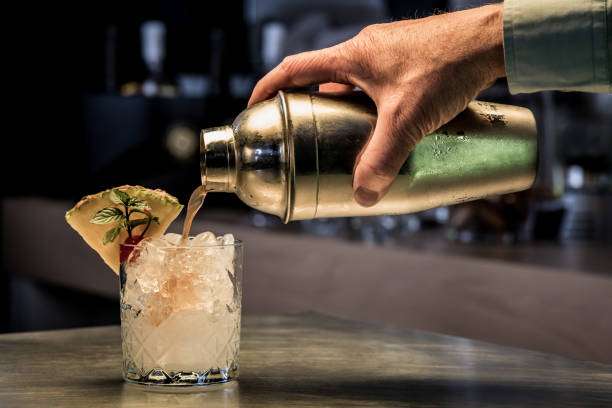
Summarize:
A cocktail shaker is not simply a “shake tool”;
It is a closed, low-temperature, high-pressure mixing environment.
Once you understand where the bubbles come from, which wines will “go bad,” and when to stop, you’ll find
That shaking wine is actually more controllable and safer than you imagined.
Click to view our curated selection of cocktail shakers, designed for “less foaming and better control” in both structure and feel, making them ideal for safe home use and long-term practice.