

The cocktail shaker is the soul of bartending; almost all cocktails with fruit juice, egg whites, or dairy bases rely on it.
However, many beginners often ruin the flavor of their cocktails, cause the foam to collapse, or even make a mess of the cocktails by shaking them improperly.
This article will reveal the five most common mistakes beginners make when using a cocktail shaker and teach you how to avoid them.

The cocktail shaker was not properly sealed, causing the cocktail to spray all over the place.
Problem symptoms: The lid is loose, and liquid splashes when shaken.
Cause analysis: The top cover was not properly closed; the metal-glass joint was not checked to be clean and dry before use; excessive temperature difference caused vacuum pressure difference.
Correct approach:
First, gently tap the rim of the cup to confirm a seal;
Before shaking, tilt the object at a small angle to test for leaks.
Use a high-quality stainless steel cocktail shaker (Boston or three-section type recommended).
Shaking for too long or too vigorously, resulting in a ruined texture.
Problem symptoms: The wine becomes thinner, the foam collapses, and the flavor is diluted.
Analysis of causes: mistakenly believing that shaking for longer makes one more professional; not understanding the melting speed of ice; not understanding the physical essence of “shake”—mixing and cooling, not “crushing.”
Correct approach:
The standard duration for violent shaking is 10–15 seconds.
Ice cubes should be hard and have intact edges.
Judgment criteria: Frost forms on the surface of the cup after shaking.
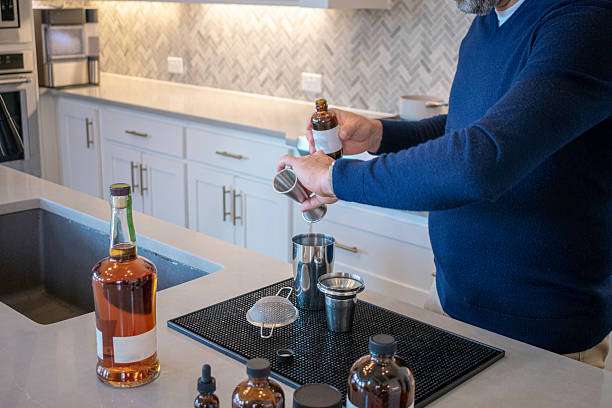
Using the wrong type of cocktail shaker
Problems include unstable liquid flow rate, clogged filter, and uneven foaming.
Common Confusions:
A three-section shaker (with filter) is suitable for home use;
Boston cocktail shaker (glass + metal) requires an additional filter.
The French double-wall shaker is simple but requires experience.
Selection advice: For family beginners, a three-section cocktail shaker is recommended; if you prefer a more professional look, a Boston shaker is an option.
Material Note: Stainless steel conducts heat quickly, and changes in the wine can be seen through the glass.
Incorrect addition of ice or improper liquid ratio
Problem symptoms: bland taste, unbalanced flavor profile, and thin foam.
Cause analysis: Adding ice too early (ice melts quickly); adding too little ice (insufficient cooling); incorrect liquid ratio leading to flavor deviation.
Correct steps:
Add the liquid first, then add ice (fill the shaker 2/3 full).
Use large blocks of ice instead of crushed ice.
Follow the classic ratio (spirit: acidity: sweetness = 2:1:1).
Tip: Try a “dry shake” (shake without ice first, suitable for protein drinks) followed by a wet shake.
Pour directly after shaking without using a filter
Problem: Ice crystals and fruit pulp residue are mixed into the cocktail, affecting its taste and appearance.
Cause analysis:
Not understanding the importance of wine filtering;
They mistakenly believed that the built-in filter in the shaker was sufficient.
Correct approach:
Use a double strainer, especially for fruit cocktails;
If using a Boston shaker, a stainless steel filter must be purchased separately.
Extended Techniques:
Using a filter can increase the purity of the taste.
It can be paired with an integrated “wine measurer + wine filter.”

Bonus: Three essential cocktail shaking techniques for beginners
Hard Shake: Created by Japanese bartenders, it emphasizes evenly distributed bubbles and a smooth body.
Reverse Shake: Shake with ice first, then dry shake; used for protein cocktails.
Rhythm control method: Shake the cup in sync with the music rhythm to enhance the sense of control and visual effect.
Tip: A moderate amount of “dance-like” movement can not only make you look more like a professional bartender but also prevent excessive shaking.
Summary: Mastering the Cocktail Shaker Starts with Understanding Mistakes
Bartending is not a contest of strength but an art of time and temperature.
Anyone can make a balanced, smooth cocktail with a cocktail shaker by avoiding these five common beginner mistakes.
Make every shake more stylish and rhythmic.