

In cocktail mixing, emulsification directly impacts the drink’s taste, appearance, and complexity. Emulsification not only allows the liquor to fully blend with ingredients like fruit juice, cream, and egg whites, but also gives cocktails a silky smooth texture and rich foam. A cocktail shaker is the core tool for achieving emulsification; using it correctly can make your cocktails more professional and delicious. This article will explain in detail how to use a cocktail shaker to enhance the emulsification effect, making every drink amazing.
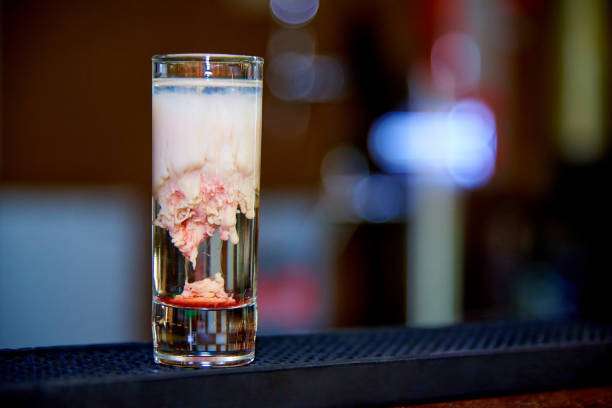
The principle of cocktail emulsification
Emulsification refers to the process by which two normally immiscible components in a liquid (such as alcohol and fruit juice, or alcohol and cream or egg white) are physically mixed to form a stable mixture. The key to achieving emulsification lies in:
Shear force: Breaking the surface tension of a liquid by shaking or stirring to make it flow rapidly.
Air introduction: Slightly mixing air into the wine can create rich foam and enhance the flavor profile.
Temperature control: Low temperatures help stabilize the liquid and make the emulsification effect last longer.
In this process, the sealing design and shaking method of the cocktail shaker become key to achieving emulsification.
The role of the cocktail shaker in emulsification
Shaker
uses a closed space to thoroughly impact and rotate the liquor and ingredients, allowing evenly mixed liquids to blend evenly.
air is injected
Into the cocktail shaker, the liquid comes into contact with the air, forming tiny bubbles that make the emulsion richer and longer-lasting.
the
The cocktail shaker process helps to quickly lower the temperature of the drink, aiding in emulsification and stabilization while keeping the cocktail chilled.
Reducing layering
And proper shaking can prevent oily ingredients or protein from separating, giving the cocktail a uniform milky white or silky texture.
Practical tips to enhance emulsification effects
1. Choose the appropriate ingredient ratio.
Emulsified cocktails typically involve fruit juices, egg whites, cream, or dairy products. To enhance the emulsification effect, you can:
Proteins, such as egg whites and soy milk protein, generally account for 10%-20% of the total liquid volume.
Creams: Light cream or concentrated cream can enhance the silky texture, but do not use too much, otherwise it will be more difficult to shake.
Fruit juices: Note that excessive acidity in fruit juice may destroy the foam; the ratio of acidity to protein can be adjusted.
2. Use a combination of “dry shaking” and “wet shaking.”
Dry Shake: Shake the beverage without ice using a cocktail shaker to create bubbles from the protein or dairy products.
Wet Shake: Add ice cubes and continue shaking to cool the beverage and maintain a stable foam structure.
This two-stage shaking method is an emulsification technique commonly used by professional bartenders.
3. Control the rhythm of the shaking.
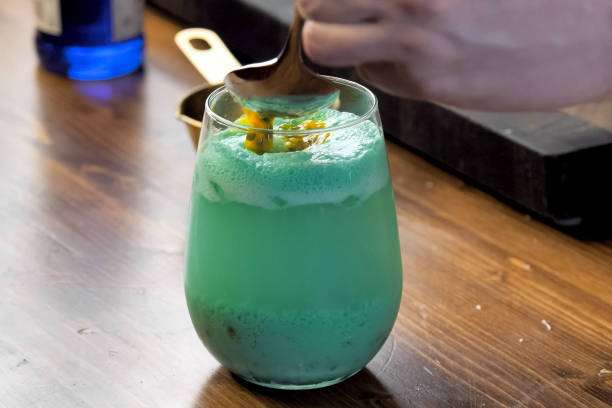
You can shake it up and down or back and forth, but be careful to use moderate force to avoid breaking too many ice cubes and causing excessive dilution.
Shake for about 10-15 seconds dry, then shake for another 10-12 seconds wet to fully emulsify and maintain a cool texture.
4. Use appropriate ice cubes
Large blocks of ice: cool down slowly, reduce dilution, and stabilize the foam.
Small ice cubes: cool quickly but are easily diluted; can be used in the wet shaking stage.
5. Choose the appropriate cocktail shaker material.
Metal shaker: cools down quickly, emulsifies more stably, and feels better in hand.
Glass shaker: makes it easy to observe the mixing state of liquids, suitable for beginners.
Double-layer shaker: facilitates sealing and shaking, prevents liquid from splashing out, and maintains the emulsification effect.
Cocktail Emulsification in Practice
Classic protein cocktails (such as Whiskey Sour)
Add the following to the cocktail shaker:
50 ml Whiskey
25 ml lemon juice
20 ml syrup
1 protein
Shake dry for 10-15 seconds to allow the egg whites to foam fully.
Add ice, and shake for 10 seconds to cool the drink and maintain the foam.
Pour the wine through a strainer into a chilled glass, where a thick foam forms on top, resulting in a smooth texture and rich aroma.
With proper use of a cocktail shaker, the protein is emulsified evenly, producing rich and long-lasting foam.
Common Emulsification Misconceptions
directly and shake
it. Although this cools the food quickly, the foam from the protein or dairy products is easily damaged, resulting in poor emulsification.
Shaking time too short or too long
Too short: The liquid is not mixed evenly, and the foam is thin.
Too long: The foam bursts, the liquid becomes diluted, and the taste is compromised.
Ignoring pre-cooling the glass
Failing to pre-cool the cocktail shaker will raise the temperature of the beverage, increase dilution, and reduce emulsion stability.
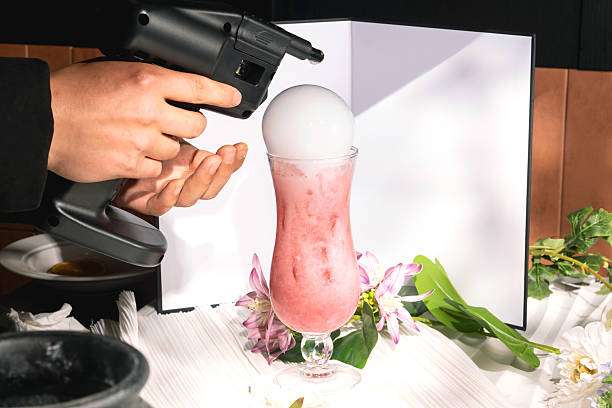
Summarize
By using a cocktail shaker appropriately, bartenders can easily achieve emulsification in cocktails, resulting in a silky smooth texture and rich foam. Key techniques include:
Choose the appropriate ingredient ratio
Combination of dry shaking and wet shaking
Control the rhythm and duration of the shaking
Use appropriate ice cubes and shaker materials
Mastering these techniques will not only enhance the taste and appearance of your cocktails but also make the bartending process more professional. Whether you’re making them at home or creating them in a bar, emulsified cocktails will add extra appeal to your drinks.
Choose a high-quality cocktail shaker and learn the technique of combining dry and wet shaking to ensure that every cocktail is evenly emulsified and has rich foam, making it a highlight of gatherings with friends and homemade cocktails.