

When discussing cocktail flavors, many people immediately think of the base spirit, recipe, or proportions. However, in the actual process of mixing drinks, I have increasingly realized that an often overlooked but extremely crucial tool—the cocktail shaker—has a decisive influence on the release of aromas.
Especially in home bartending or small bar settings, the shaking process almost entirely determines the “first impression” of a drink. And the aroma is the first thing perceived at that moment.
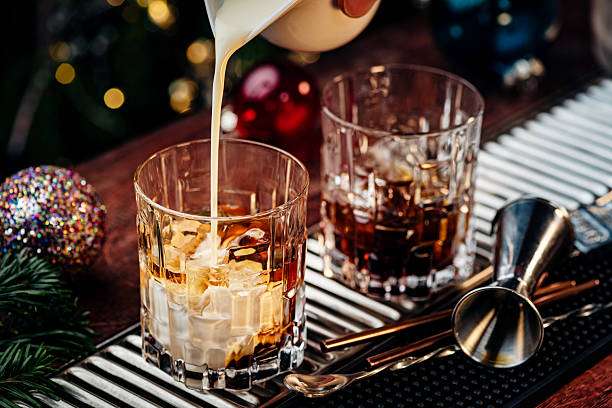
Aroma is the first step in a cocktail experience.
Before the taste buds even register, one has already “drunk” the aroma. The freshness of citrus peel, the subtle bitterness of herbal liqueurs, and the warmth of spices are all captured the moment the glass is brought close to the nose.
Many beginners think that as long as the right drinks are paired, shaking a few times is enough. But in fact, the structure, materials, and shaking method of a cocktail shaker all affect whether the aromas are fully activated and released.
When I first started mixing drinks, I used a plastic shaker I bought on the spot. With the same recipe, I always felt that the drinks were “flat.” Later, when I switched to a standard metal shaker, the aroma and layers were immediately different. This change was very obvious.
Does a cocktail shaker bring out the aroma?
1. Strong liquid disturbance promotes the volatilization of aroma molecules.
Aroma is essentially composed of volatile aromatic molecules. The process of swirling the wine allows it to continuously collide with ice and the glass in a confined space, ensuring full contact between the wine and the air.
The cocktail shaker acts as an “energy amplifier.” Good sealing and a proper volume ratio allow the liquor to churn violently in a short time, releasing more aroma molecules.
2. Rapid temperature drop creates aroma contrast.
Shaking the liquor is not just about mixing but also about cooling it down.
When a drink is rapidly cooled, some of the pungent alcoholic aromas are suppressed, while more delicate fruity, herbal, and spicy notes are brought out. This is why the same glass of wine smells completely different when swirled versus unswirled.
A cocktail shaker with good thermal conductivity allows for faster and more even cooling, resulting in a clearer aroma structure.
3. The ice cubes shatter, releasing the attached aromas.
During the swirling process, ice cubes are not merely a “cold source.” When ice cubes repeatedly collide with the glass and break slightly, they form tiny ice crystals, increasing the surface area of the liquid.
This step often brings out the aromas that were originally “hidden” in the wine. This is especially crucial for recipes containing citrus juice, vanilla, and liqueur.
Different types of cocktail shakers have different effects on aroma.
Boston shaker: most aromatic
The Boston style consists of two parts, with more space and a stronger shaking motion. It creates a more vigorous liquid movement, making it ideal for wines with complex aromas.
When I make gin cocktails, I almost always choose this kind of cocktail shaker first, because the herbal and citrus aromas are amplified very clearly.
Three-section swirling glass: concentrates aromas
The three-section structure provides good sealing and a relatively compact internal space, resulting in a more “restrained” aroma when shaken. For a recipe that is already well-balanced, this method can make the aroma cleaner and less chaotic.
Aroma variations due to material differences
Stainless steel cocktail shaker: cools down quickly and releases aroma directly and clearly.
Glass shaker: visually appealing, but slow temperature control and weaker aroma development.
Plastic shakers: The aroma layers are most easily weakened, so they are not recommended for use in cocktails where flavor is emphasized.
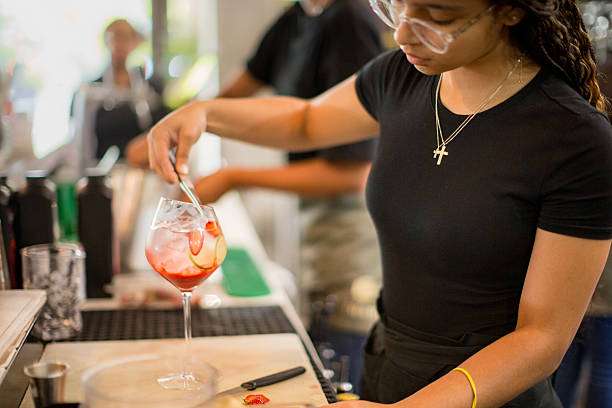
The way you shake the drink is more important than you think.
Even when using the same cocktail shaker, different shaking techniques can produce noticeable differences.
Vigorous, rhythmic shaking releases the aroma most fully.
The time should be controlled between 8 and 12 seconds: too short and the aroma will be insufficient, too long and it will be diluted.
Maintain the glass’s tilt angle: This allows the ice cubes room to roll instead of getting stuck.
I once deliberately compared the aromas of the same formula using the “random shaking” method and the standard shaking method. The former smelled like the wine hadn’t been properly aerated, while the latter had a distinct aroma as soon as it was opened.
Why do some cocktails smell so faint?
Many people mistakenly believe it’s a problem with the formula, but common causes include:
The cocktail shaker wasn’t properly sealed, causing energy loss during shaking.
The glass is too small, so the wine cannot swirl properly.
Inappropriate ice cube size affects aroma release.
Insufficient shaking time or unstable rhythm
A weak aroma is often not due to poor quality ingredients but rather to improper use of tools and methods.
How can you maximize the aroma experience when mixing drinks at home?
If you’re mixing drinks at home and want to make the aroma more prominent, keep the following points in mind:
a cocktail shaker of appropriate capacity.
Use clean, odorless ice cubes.
Pour the wine out immediately after shaking to prevent the aroma from dissipating.
Gently swirl the glass before pouring to concentrate the aroma.
When I mix drinks on weekends, what I enjoy most is the moment I shake the drink and open the glass, when the aroma wafts out. It’s more of a ritual than drinking the drink itself.
FAQ
Can I stir directly
without a cocktail shaker? Yes, but stirring is more suitable for alcoholic, clear spirits, as the aroma release is not as obvious as shaking.
Q2: Is a bigger cocktail shaker always better?
No. An overly large one can actually hinder control. The key is whether the internal space is suitable for swirling the liquor.
Q3: Why do professional bars pay so much attention to the shaking action?
Because shaking not only affects the taste but also directly determines whether the aroma is activated.
Q4: What are the most common mistakes beginners make?
Shaking too lightly or for too short a time, or choosing the wrong glass, will greatly reduce the aroma.
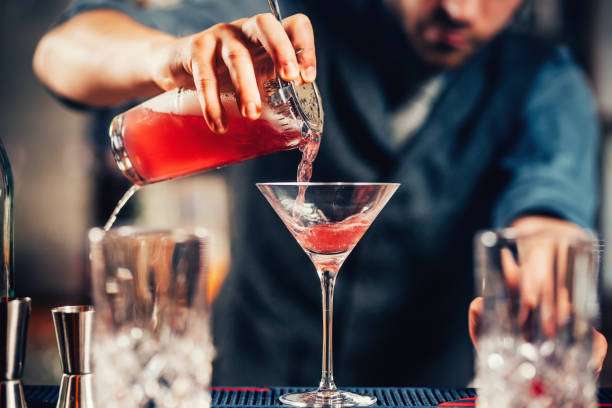
Conclusion:
The aroma of a great cocktail is never accidental but rather the result of careful design and the right tools to bring it out.
A cocktail shaker is not an optional accessory but a vital bridge connecting the recipe and the sensory experience. Once you truly understand its role, you’ll discover that bartending is not just about mixing but about mastering the details.
If you want to make cocktails at home with distinct aromas and close to bar quality, you might as well start with a suitable cocktail shaker.