

Cocktail culture has developed globally, and each country has its own unique bartending habits and tools. Among them, the cocktail shaker, as the core tool for bartending, varies in its usage, preferred materials, and thickness.
When I first traveled abroad, I brought my own cocktail shaker to the hotel bar and found that the local bartenders used completely different methods than I was used to. That’s when I realized that even with the same tools, different cultures and operating habits can make a big difference in the user experience.

United States: Leaning towards efficiency and quantity
In the United States, cocktail culture places more emphasis on efficiency and quantity, especially in the bar industry.
Shaker type: The most common is the Boston shaker, which is a combination of a metal glass and a glass.
Usage habits: Emphasis is placed on rapid shaking and quick chilling; often used for high-frequency mass-produced cocktails.
Thickness preference: medium thickness is preferred, which ensures both a good feel and the ability to withstand frequent operation over a long period of time.
I noticed that bartenders almost never use three-piece cocktail shakers but rather Boston shakers. These shakers allow for quick dispensing and precise control over the melting speed of the ice. Compared to the thicker three-piece cocktail shaker I use at home, they prioritize efficiency. Having worked in a bar before, I can attest to this.
Europe: Emphasis on refinement and tactile feel
In Europe, especially in Western Europe, cocktail culture places greater emphasis on the feel of the cocktail and the sense of ritual.
Shaking glass type: The three-piece set is widely used and also functions as a filter.
Usage habits: A more elegant rhythm, a balance between shaking amplitude and speed, and attention to the taste after the ice melts.
Thickness preference: Thicker metal cups are more popular, as they help maintain temperature and stability.
While studying abroad, I experienced the cocktail shaker in an old pub in London. I noticed that the bartenders would gently shake the cocktail shaker, each shake almost like a performance, a stark contrast to the fast-paced operation in the US. The thick walls of the three-piece cocktail shaker not only ensured the temperature of the drink but also made the shaking more stable.
Japan: Attention to detail and precision
Japan’s bartending culture is deeply influenced by traditional techniques and elaborate rituals.
Shaker type: A three-piece or small Boston shaker is commonly used, aiming for precise measurement and control.
Usage habits: Every step is strictly followed according to the standard operation, and the shaking rhythm and angle are clearly specified.
Thickness preference: Thinner cocktail shakers are popular because they allow for quick and easy temperature sensing while also providing a sensitive feel.
When I attended a bartending workshop in Tokyo, the instructor emphasized that the hand can sense temperature changes. In other words, a thin-walled cocktail shaker can transmit the temperature of the liquid more directly, thereby adjusting the shaking time and intensity. This is something that is less emphasized in Western countries.
Australia and New Zealand: Focus on portability and everyday use
In Australia and New Zealand, cocktail culture is both professional and family-oriented.
Types of wine shakers: Both three-piece and Boston style are available, with a lighter option preferred for home use.
User habits: Focuses more on simplicity and speed, suitable for daily entertainment and social gatherings.
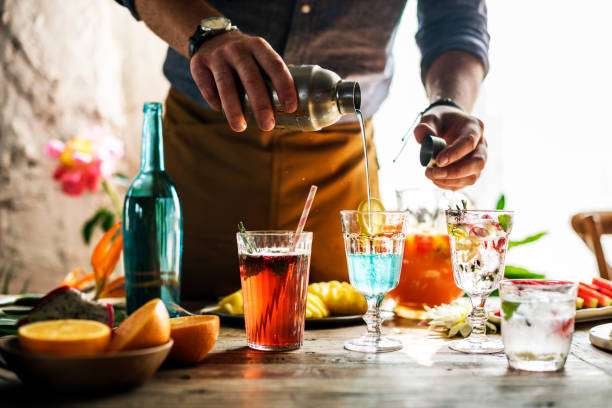
Thickness preference: Lightweight and medium thickness, convenient for home bartending, and less likely to cause fatigue.
At a friend’s gathering in Sydney, my rather thick cocktail shaker felt a bit cumbersome, while locals could easily make several cocktails in just a few minutes using a thinner shaker.
Summary of differences in the use of cocktail shakers in different countries
| Country/Region | Common types of wine shakers | Shaking style | Thickness preference | Features of use |
| USA | Boston style | Fast and efficient | medium | High-frequency mass production, focusing on efficiency |
| Europe | Three-piece | Elegant rhythm | Thick | Focus on feel and temperature stability |
| Japan | Three-piece/Little Boston style | Precise and delicate | Thin | Emphasis on temperature sensing and precise operation |
| Australia/New Zealand | Three-piece/Boston style | Simple and lightweight | Medium to light | Mainly family and social gatherings |
As can be seen from the table above, the differences in the use of cocktail shakers are not just a matter of material or thickness but more profoundly a reflection of culture and drinking habits.
When bringing your own wine shaker when traveling abroad, consider local customs. A thicker three-piece shaker might feel unresponsive in Japan, while a thinner Boston shaker might feel flimsy in the United States.
Thickness and feel should be considered in conjunction with personal operating habits. For everyday home use, there’s no need to pursue the heaviness of a professional bar; a lightweight design is more comfortable.
Understanding cultural differences can help you learn different bartending techniques. For example, learning the technique of quickly sensing temperature with a thin glass in Japan, or practicing the elegant shaking rhythm in Europe, can improve your bartending skills.
FAQ: Common Differences in Cocktail Shaker Usage
Q1: Do cocktail shakers vary greatly in materials across different countries?
The materials are generally stainless steel, but the thickness, metal processing, and filter design differ. Japanese versions tend to be thinner, European versions thicker, and American versions of medium thickness.
Q2: Will differences in shaking techniques between different countries affect the taste?
Yes. The speed, amplitude, and temperature control of shaking can all affect the melting of ice and the dilution of the liquor, thus affecting the final taste.
?Q3: Do I need to refer to foreign standards when using a cocktail shaker at home ?
You can refer to them, but you don’t need to completely imitate them. For home use, comfort and ease of operation are more important.
?a cocktail shaker when traveling abroad ?
You need to pay attention to secure packaging, especially for glass combination types; Boston-style metal cups are relatively safer.
Conclusion:
A cocktail shaker may seem like just a bartending tool, but its usage, thickness selection, and operating habits vary significantly from country to country. Understanding these differences can not only help us choose the most suitable shaker but also enhance our bartending skills and cultural experience.
If you’d like to experience international bartending styles at home, we recommend choosing a cocktail shaker with a suitable thickness based on your own bartending preferences and trying to learn shaking techniques from different countries. The right tools and correct techniques will make every cocktail more professional and delicious.