

When choosing bartending tools, many people focus on appearance, material, or whether it’s a set but rarely seriously consider one question: Is the thickness of the cocktail shaker important? This question may seem like a detail, but it precisely determines your feel, efficiency, and even the final flavor when mixing drinks.
I first bought a cocktail shaker; I completely ignored the thickness, thinking it “looked about the same.” It wasn’t until after using it for a while that I realized shaking a cocktail isn’t just a matter of randomly shaking it; the details of the tool really affect the experience. Below, we’ll systematically discuss this often-overlooked but crucial topic from multiple perspectives.
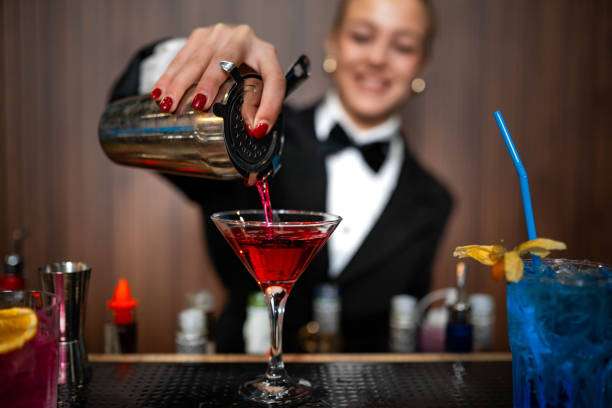
a cocktail shaker refer to?
Before discussing the thickness of a swirling glass, it’s important to clarify what it specifically refers to.
Generally speaking, the thickness of a wine shaker refers to the thickness of the metal wall of the glass, usually measured in millimeters.
The most common cocktail shakers on the market can be roughly divided into the following categories:
Thinner type: The cup wall is thinner, and the weight is lighter.
Medium thickness: balancing weight and feel
Thicker type: The cup walls are noticeably thicker, giving it a more stable overall appearance.
Different thicknesses are not simply a matter of “good” or “bad,” but rather correspond to different usage scenarios and user groups.
Why does thickness affect the bartending experience?
1. Affects the rate of temperature conduction
A cocktail shaker is to cool down quickly.
Thinner swirl glasses allow for faster heat conduction, resulting in more direct temperature changes between the ice and the liquid.
Thicker swirl glasses allow for slower but more stable temperature changes.
This means that if you’re aiming for a quick, fast-paced, and rhythmic shake, the thickness of the liquor will directly affect your technique.
When I first started practicing shaking wine, I used a thinner shaking glass. I could clearly feel the temperature change in my hand, which was very intuitive, but it also made my hand feel cold. Later, I switched to a slightly thicker one, which made me feel more relaxed overall.
2. Affects the feel and stability when shaking the liquor.
A cocktail shaker is not a static tool but rather an instrument that requires frequent, continuous, and large-amplitude movements.
The thinner, lighter cocktail shaker is less tiring to use for extended periods.
A thicker cocktail shaker is heavier, making it more stable and producing a more even rhythm when shaken.
For beginners, a cocktail shaker that is too light can easily disrupt the rhythm, while a moderate thickness can help establish a stable shaking feel.

3. Affects sealing performance and sense of security.
Many people have encountered problems such as leakage or looseness when shaking wine. This is not entirely a problem with the structural design; the thickness also plays a role.
Thicker cocktail shakers are generally more robust at the joint, making them less prone to damage from slight deformation that could compromise the seal. This thickness becomes even more important after repeated use and washing.
Different types of cocktail shakers have different thickness requirements.
1. Boston style
Boston-style cocktail shakers consist of a metal cup and a glass cup (or bimetallic cup), requiring greater thickness.
Too thin: Easily deformed, affecting adhesion.
Too thick: Heavy, difficult for beginners to operate.
Generally speaking, medium to thicker swirl glasses are more suitable for this structure, balancing stability and feel.
2. Three-piece set
The three-piece design is complex and includes a built-in filter.
Thicker structures are more conducive to maintaining structural stability.
A thinner profile makes it lighter and more convenient for home use.
For everyday home cocktails, I would recommend a cocktail shaker with a moderate body; there’s no need to go for something too strong.
Does the thickness of a wine shaker have anything to do with professionalism?
Many people ask: Do professional bartenders use thicker cocktail shakers?
The answer is not absolute.
In professional bars, it’s true that you’ll find cocktail shakers with a more balanced thickness and solid texture more often, mainly for three reasons:
High-frequency use, not easily deformed
Stable operation and consistent wine output
Longer service life
But this doesn’t mean the thicker the better. What really matters is whether the thickness matches your usage frequency and habits.
A common mistake beginners make is focusing only on the appearance and ignoring the thickness.
These are the pitfalls I encountered myself.
I first bought a cocktail shaker; I was completely attracted by its appearance, thinking the “mirror polishing” looked high-end, but I didn’t pay attention to the thickness. As a result, I discovered after using it that:
I always feel lightheaded when I shake the liquor.
I’m worried the interface will loosen if I apply even a little force.
The feel is always inconsistent
cocktail shaker with a more reasonable thickness, I realized that the problem wasn’t with the technology, but with the tool itself.
How to choose the appropriate thickness based on the usage scenario?
You can start with these questions:
Do you occasionally mix drinks at home, or do you practice frequently?
Do you prioritize ease of use or stable control?
Is the usage environment a quiet home or a more professional operation?
General recommendations:
Beginner/Home Use: Choose a medium-thickness cocktail shaker
For high-frequency use, consider making it slightly thicker for better durability.
For display purposes or light use, a thinner profile is perfectly acceptable.
Does the thickness of the wine glass when swirling affect the taste of the wine?
Strictly speaking, the thickness of a cocktail shaker does not directly change the recipe, but it indirectly affects the result:
Different rates of temperature decrease
The ice melts at different rates
A steady or chaotic shaking rhythm
These subtle differences will ultimately be reflected in the taste when you put it in your mouth.
FAQ:
Q1: Is a thicker glass better for swirling wine?
No. Too thick a glass can increase fatigue, especially for beginners. The key is balance.
Q2: Are thin cocktail shakers easy to break?
If the materials and workmanship are good, they should be fine under normal use, but their durability is relatively weak.
Q3: Is thickness really an issue for home users?
Yes. A suitable thickness for a cocktail shaker will significantly improve the user experience.
Q4: Will the thickness affect cleaning?
The thickness itself has little impact, but a thinner cocktail shaker is more prone to deformation, which can affect the seal and cleaning.
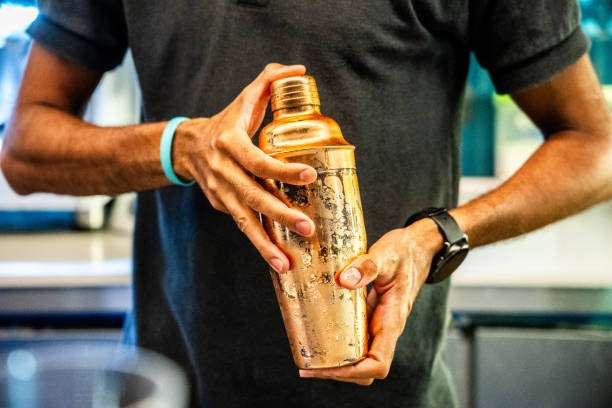
Conclusion:
A cocktail shaker may seem like just a technical parameter, but in actual use, you’ll find that it directly affects the feel, rhythm, and confidence.
If you want to enjoy a more consistent and convenient cocktail-making experience at home, you might want to carefully select a cocktail shaker with a reasonable thickness and a comfortable feel.