

When working in a bar or mixing drinks at home, we often focus on the recipe, the choice of base spirit, and the quality of ice, but rarely consider a key question: how much does a cocktail shaker actually affect the efficiency of a bar?
Having worked in a bar, I deeply understand that a seemingly ordinary cocktail shaker is actually directly related to the speed of dispensing, the consistency of the cocktail’s quality, and even customer satisfaction. Today, I’d like to talk about this topic.
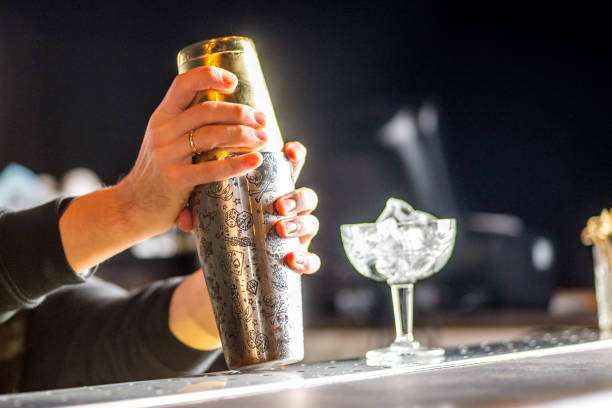
How does shaking a cocktail glass affect bartending efficiency?
A cocktail shaker performs multiple functions in the bartending process: mixing liquids, cooling the liquor, controlling the proportions of liquids, and influencing the taste and visual appeal of the drink. The efficiency of these functions directly affects the overall operational rhythm of the bar.
1. The material and cooling rate affect the mixing time.
Most cocktail shakers are made of stainless steel or other metals, and the cooling speed varies greatly depending on the material.
A fast-cooling shaker: It can cool the wine to the ideal temperature in 10–15 seconds, reduce the amount of ice melting, and ensure a stable flavor.
Slow-cooling shaker: It requires a longer shaking time, which not only increases the brewing time of each glass of wine but may also cause the wine to lose too much water, affecting the taste.
During peak hours, this difference can accumulate into a significant loss of efficiency. During one peak period, I observed that using a low-quality cocktail shaker required shaking for an extra 5–10 seconds to prepare a martini, which proved very difficult for a production run of 100 drinks per night.
2. Sealing determines the speed and accuracy of wine dispensing.
A cocktail shaker directly affects a bar’s bartending efficiency.
A well-sealed shaker: It prevents leakage when shaking, avoids waste, and allows bartenders to shake more confidently and quickly.
A wine shaker with poor sealing: It is easy for wine to leak when shaken, so you need to be more careful and even shake it slowly, which will increase the preparation time.
I once temporarily filled in at a bar where the cocktail shaker was old and poorly sealed. I was very careful with every drink, and the dispensing speed was at least 30% slower than usual, which disrupted the rhythm of the entire bar.
3. Capacity and design affect the operation of the cups.
During peak bar hours, bartenders often need to quickly prepare multiple drinks in quick succession. The capacity and design of the cocktail shaker directly impact efficiency.
Small capacity: Only a small amount of wine can be shaken at a time, and frequent shaking is required when busy, resulting in low efficiency.
With a moderate capacity and ergonomic design, it is comfortable to hold, easy to shake, and can make multiple cups in a row.
In addition, the design of the glass rim and the smoothness of the inner wall also affect the pouring speed. A slow pour can cause the bartender to spend a few seconds longer when serving, which can be quite noticeable during peak hours.
4. The weight and material of the wine glass affect hand fatigue.
Prolonged, high-intensity shaking of cocktails can cause arm fatigue in bartenders, thus affecting their efficiency.
Lightweight stainless steel cocktail shaker: Reduces hand strain and allows for faster cocktail mixing.
Heavy or coated cocktail shakers: Shaking for too long can cause hand fatigue, naturally slowing down the mixing pace.
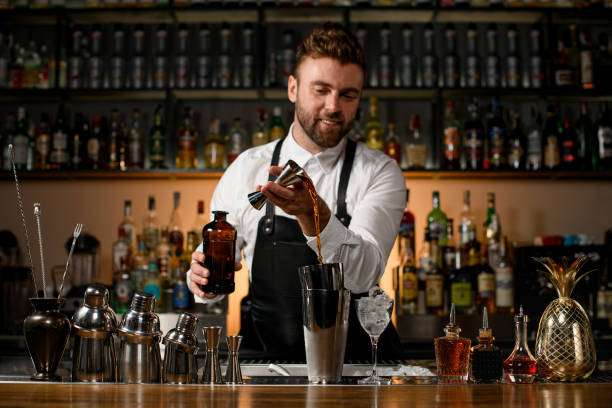
Sometimes, I would use a heavy, copper-colored shaker for three consecutive hours during peak hours at the bar, and my arm would ache noticeably, and the pouring speed would be nearly 20% slower than usual. This small detail has a huge impact on the overall efficiency of the bar.
5. Cleaning and maintenance affect the winemaking rhythm.
Cocktail shakers not only affect efficiency during the mixing process, but cleaning and maintenance are also crucial.
Easy-to-clean shaker glasses can be used quickly and efficiently, reducing preparation time.
Shaking glasses that are difficult to clean or easily leave wine stains requires extra time to process.
A neat and clean shaker not only ensures efficient dispensing of wine but also guarantees consistent quality in every glass.
a cocktail shaker for bar efficiency.
Stainless steel is the preferred material: it cools quickly and is easy to clean.
Ensure an airtight seal: No wine should leak when shaken.
Choose the appropriate capacity: Select according to the bar’s alcohol dispensing volume.
Considering weight and feel: Hands won’t get tired even after prolonged use.
Easy-clean design: ensures efficient use.
A good cocktail shaker not only ensures consistent cocktail quality but also significantly improves the overall efficiency of a bar.
FAQ:
Q1: Does a cocktail shaker really affect the speed of mixing drinks?
Absolutely. The material, seal, weight, and capacity all directly affect the mixing speed.
Q2: Is there a big difference between home shakers and bar shakers?
Home shakers mostly focus on aesthetics, while bar shakers focus more on efficiency, durability, and consistent dispensing.
Q3: Will there be any problems using a regular shaker during peak hours?
Yes, a shaker with a poor seal or a small capacity will slow down the dispensing speed and affect the overall bar rhythm.
Q4: Do beginners need to pay special attention to the efficiency of
their cocktail shaker? If it’s just occasional bartending, it won’t have much of an impact, but it becomes crucial when you’re in a high-intensity, continuous bartending situation.
Q5: Does cleaning the cocktail shaker also affect efficiency?
Yes. Easy-to-clean shakers can be used quickly, reducing bartending wait time and improving efficiency.
summary:
A cocktail shaker is more than just a “shaking tool”; it directly impacts bar efficiency, liquor quality consistency, and customer satisfaction. The material, capacity, seal, weight, and ease of cleaning—these seemingly minor details become magnified during peak hours, affecting the dispensing speed of each drink.
If you’re a bartender or want to quickly make multiple cocktails at a party at home, investing in a suitable cocktail shaker is well worth it. Choosing the right cocktail shaker will elevate both your bartending efficiency and the overall experience.