

When mixing cocktails at home, many people encounter a common problem: their cocktails always taste too watery and lack richness. This is often due to over-dilution. Whether making drinks at home or mixing them in a bar, mastering the correct techniques can help achieve the best balance in your cocktails, and a cocktail shaker is an indispensable tool. This article will explain in detail how to use a cocktail shaker to avoid over-dilution, ensuring that every sip of your cocktails is smooth and flavorful.
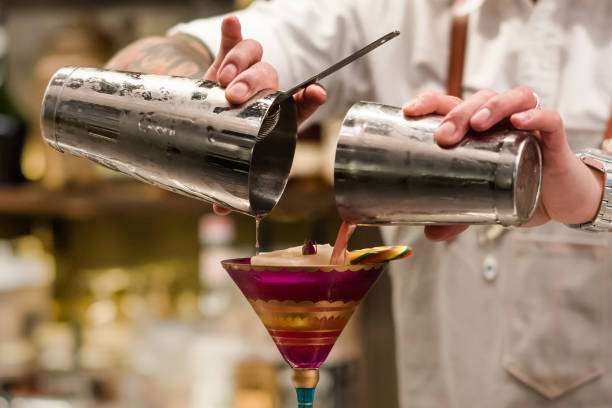
Reasons for cocktail dilution
Over-dilution during cocktail mixing is mainly caused by the following reasons:
the ice melts too quickly,
It will melt in large quantities if the wine is shaken for too long or the ice is not cold enough, bringing in too much water and diluting the wine.
Improper shaking technique:
Incorrect shaking motions or force can cause too much ice to break, thus diluting the cocktail.
If the size and material of the ice cubes are not suitable,
Small ice cubes have a large contact area and melt more easily and quickly; irregular ice cubes or crushed ice will also dilute faster.
If the cocktail shaker itself is not cold enough
, the temperature of the drink will rise faster, and the ice will melt faster as well.
Understanding these reasons will allow us to operate more scientifically and avoid diluting the cocktail too much.
a cocktail shaker in bartending
A cocktail shaker is not only a tool for mixing liquors, but it also plays a crucial role in controlling dilution:
To quickly cool down a cocktail
, use a frozen cocktail shaker or add ice beforehand. This will rapidly lower the temperature of the drink, keeping it refreshing and reducing the amount of ice melting.
mixing
The wine and juices allow for thorough mixing without excessive shaking, thus reducing dilution.
By controlling the degree of ice breakage,
Appropriately selecting the size of the shaker and the amount of ice, you can keep the ice intact or moderately broken during shaking, ensuring that the wine is cooled but not overly diluted.
a cocktail shaker with double metal or glass backing to keep the drink cool and reduce dilution.
Bartending techniques to avoid over-diluting
1. Choose suitable ice cubes
Large ice blocks: Large ice blocks melt slowly, making them more suitable for shaken cocktails.
Crushed ice: Suitable for quick cooling or making short drinks, but it is easily diluted, so the shaking time should be controlled.
Ice quality: Avoid using ice containing air bubbles or impurities; pure ice melts more slowly.
2. Pre-chill the wine in the swirling glass.
Before mixing a cocktail, pre-chill the cocktail shaker in the refrigerator or ice bucket, or add a small amount of ice to chill the inside of the shaker before pouring in the drink and shaking. Pre-chilling the glass reduces the amount of water that gets into the drink during shaking.
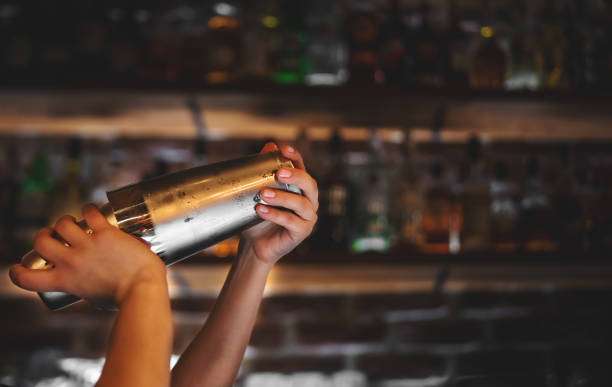
3. Control the shaking time and intensity.
Shaking time: Generally 10-15 seconds is sufficient to allow the liquor to mix thoroughly and cool down, avoiding excessive dilution.
Shaking technique: Gently tap up and down or shake back and forth, rather than shaking rapidly and violently, to reduce ice breakage.
4. Use the layered shaking method
For fruit juices or other high-viscosity ingredients, you can first mix the liquid with some of the ingredients in a shaker, then add the other ingredients and ice and shake gently. This reduces the direct contact time between the ice and the liquid, thus lowering the risk of dilution.
5. Control the proportion of ice cubes appropriately.
Too much ice will cause the drink to lose more water; too little ice will not cool it effectively. Generally, it is recommended that the ice volume be between one-third and one-half of the cocktail shaker’s capacity for optimal cooling.
Common Cocktail Dilution Misconceptions
More ice is better
Myth: More ice makes the drink colder.
Fact: Too much ice melts faster and dilutes the flavor of the cocktail.
The longer you shake, the better.
Prolonged shaking makes the drink more evenly mixed.
Fact: Prolonged shaking breaks the ice into very fine pieces, diluting the drink.
Ice shape doesn’t matter.
Crushed ice and large ice cubes have the same effect.
Fact: Ice size directly affects the melting rate and the degree of dilution of the beverage.
Cocktail shaker usage tips
Metal glasses cool down faster: Metal wine glasses cool down faster than glass glasses, allowing for quicker cooling and reducing the time required for swirling.
Double cup combination: Standard cocktail shakers are mostly double-walled designs, which use friction to seal and control the shaking intensity.
Filter quickly after shaking: After shaking the wine, pour it into a glass using a filter, trying to keep the crushed ice in the shaker to prevent it from melting further.
Keep ice clean: Use fresh, clean ice to avoid impurities that accelerate melting or affect the taste.
Bartending Case Studies
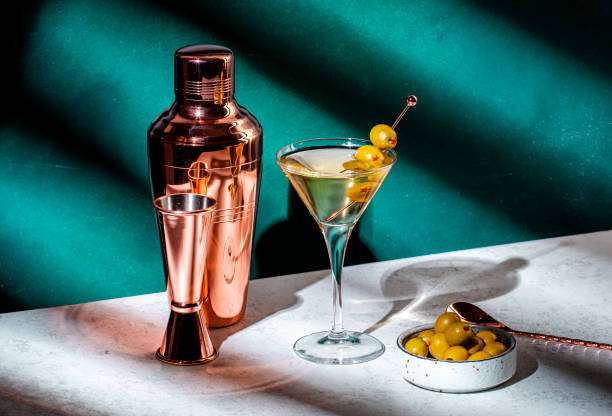
Take the classic martini as an example:
Pre-cool the cocktail shaker for 5 minutes.
Pour in 60 ml of gin and 10 ml of dry vermouth.
Add large ice cubes, filling the cup to about one-third full.
Shake gently for 12 seconds, until the drink is chilled but not too much ice has broken.
Pour the wine through a strainer into a chilled glass.
Results: The martini was perfectly chilled, with a rich flavor and not too watery.
Summarize
In cocktail preparation, avoiding over-dilution is key to preserving the flavor of the liquor, and the cocktail shaker plays a central role in controlling the temperature of the liquor, mixing ingredients, and managing ice. Mastering pre-chilling, ice selection, shaking techniques, and filtering methods not only preserves the original flavor of the cocktail but also makes the bartending process more professional and enjoyable.
cocktail shaker for your home bar, learn the science of shaking cocktails, and easily create perfectly diluted drinks. Say goodbye to over-diluted cocktails! Check out our recommended cocktail shaker now!