

Mixing cocktails is an art, and the use of a cocktail shaker and ice are the most crucial and fundamental elements. Many beginners often overlook ice control techniques when learning to mix drinks, resulting in cocktails that are too weak, not warm enough, or overly diluted. This article will explain in detail the techniques for controlling the amount of cocktail shaker and ice, helping you easily mix the perfect cocktail.
The Importance of a Cocktail Shaker

A cocktail shaker is not only a tool for mixing drinks but also the key to the taste and texture of cocktails:
Mix well: The wine, juice, and syrup can be fully mixed by shaking.
Lowering the temperature: Ice cubes remove heat from the beverage during shaking, quickly cooling the drink.
Creating texture: Shaking produces bubbles and tiny ice crystals, resulting in a rich taste and a silky smooth feel.
Visual experience: The act of mixing with a cocktail shaker is itself a ritual, making the drink more fun.
When I mix drinks at home, I find that as long as I master the techniques of using a cocktail shaker, the taste of the cocktail will be significantly improved. Even a simple mojito or gin and tonic can taste like a bar-quality drink.
Uses and types of ice cubes
Ice cubes are not only a tool for cooling drinks, but they also directly affect the taste and solubility of beverages. Understanding the different types of ice cubes is very important:
Large ice blocks (square or spherical)
It melts slowly, making it suitable for slow drinking or high-alcohol beverages.
Less diluted, purer taste.
Small ice cubes (crushed ice or ice pellets)
It cools down quickly, making it suitable for quick mixing or smoothie-style cocktails.
It melts quickly and will dilute the drink, so you need to control the shaking time.
Specialty ice cubes (fruit juice ice cubes or tea ice cubes)
It can enhance flavor while reducing the impact of dilution on taste.
I personally prefer to use medium-sized ice cubes for most classic cocktails, as they cool the drinks quickly without over-diluting them.
Cocktail shaker ice control techniques
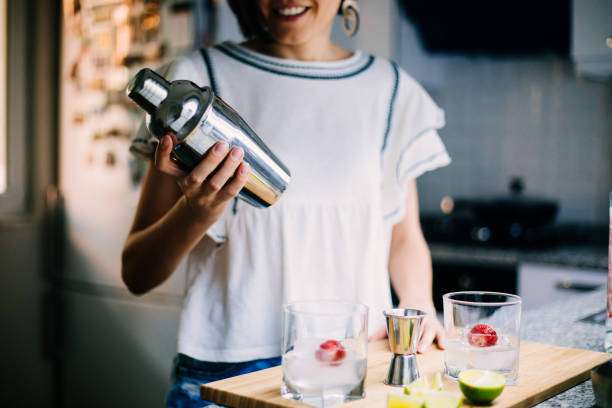
Mastering the amount of ice is key to bartending; the following tips can help you control it precisely:
1. Cocktail shaker filling ratio
It is generally recommended that the ice cubes in a cocktail shaker make up about 2/3 of the total volume of the drink.
Less ice (less than 1/2): slow cooling, uneven mixing of the liquid, and a higher temperature when tasted.
Moderate ice content (about 2/3): Excellent cooling effect, moderate dilution, and best taste.
Too much ice (more than 3/4): restricts the shaking space, prevents the liquor from mixing properly, and easily leads to over-diluted liquor.
To make a chilled and well-balanced cocktail, put about 8-10 medium-sized ice cubes in a 400 ml cocktail shaker and shake for 15-20 seconds.
2. Shaking Techniques and the Effects of Ice Cubes
Shake quickly and vigorously: This allows the wine and ice to come into full contact, speeding up the cooling process.
Shake frequently in short intervals: This helps control the degree of dilution and avoids making the drink too diluted by shaking for too long at once.
Shaking direction: It is best to shake left and right or back and forth alternately and avoid shaking upside down and excessive collision with the ice.
When making margaritas, I shake them quickly for 10 seconds, then gently for 5 seconds to ensure they are cold while maintaining a balance of sweet and sour.
3. Ice Temperature and Storage
Pre-freeze: Ensure the ice is fully frozen to avoid partially melted ice affecting the taste of the cocktail.
Avoid reusing partially melted ice: it dilutes the drink and affects the taste.
Use uniform ice cube size: Avoid mixing ice cubes that are too large or too small, as this will result in uneven dilution.
I usually put the cocktail shaker and ice in the refrigerator before mixing drinks to make sure the shaken drinks are cold and refreshing.
Ice quantity reference for different cocktails
Different types of cocktails have different requirements for the amount of ice and the shaking time:
| Cocktail types | Ice Quantity | Shaking Time | illustrate |
| Martini | A small amount of ice | 10-15 seconds | The main focus is on cooling to prevent over-diluted products. |
| Mojito | Medium-sized crushed ice | 15-20 seconds | Maintain a refreshing taste and fully incorporate mint. |
| Margarita | Medium ice cubes | 15-20 seconds | Controlled sweet and sour balance, refreshing taste |
| Whiskey Sour | 2/3 capacity ice cubes | 20 seconds | Maintain the full body of the wine and avoid over-diluting it. |
| Smoothie Cocktail | Small ice | 20-30 seconds | Make smoothies with a creamy texture |
Tips and experiences shared
Shake in stages: first, shake quickly to cool the wine, then shake gently to blend the flavors.
Control the shaking space: Ensure there is enough space inside the cocktail shaker for the ice to move and mix the drink thoroughly.
Observe the temperature: Stop shaking when it feels cold to the touch to avoid over-diluting.
Chill ice cubes, a cocktail shaker, and measuring cups beforehand to enhance the bartending experience.
Try different ice cube shapes: spherical ice cubes are suitable for slow drinking, while crushed ice is more refreshing in a highball glass.
When I mix cocktails at home, I freeze the cocktail shaker and ice in advance. The resulting cocktails have a smooth texture and are just the right temperature, and they always receive rave reviews at gatherings with friends.
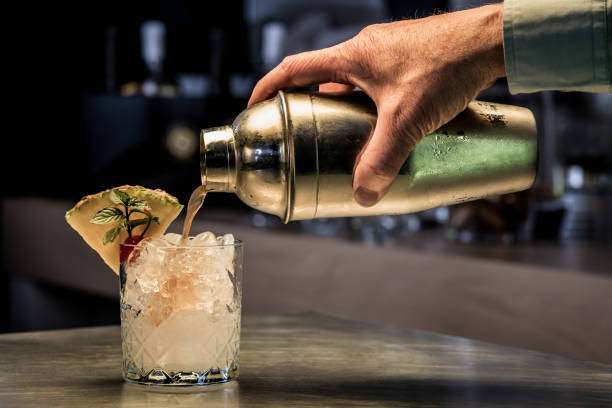
Summarize
Mastering the techniques of controlling the cocktail shaker and the amount of ice is key to mixing the perfect cocktail. By using the right ice ratio, shaking method, and temperature control, you can easily achieve a balanced flavor profile for different types of cocktails. Whether at home, at a party, or traveling, learning these techniques will ensure your cocktails always maintain a professional standard, making every drink perfect.
Starting today, try adjusting the amount of ice and shaking time in your cocktail shaker to experience different dilutions and textures, and discover your perfect cocktail recipe. Click to learn more about the secrets of cocktail mixing!