

Many people encounter a common problem when mixing drinks at home: even when strictly following the recipe, the drinks are inconsistent, sometimes a pleasant surprise, sometimes a disaster. The problem is often not with the drink itself, nor entirely with the technique, but with the cocktail shaker, the most basic yet most easily overlooked tool.
In cocktail making, the cocktail shaker is never just a “container of liquor.” It determines how the liquor is cooled, how the ice melts, how the flavors blend, and even directly affects whether a drink is “like something from a bar” or just “barely drinkable.”
It was only after numerous failures and repeated comparisons that I truly realized that choosing the right cocktail shaker is far more important than memorizing the recipe.
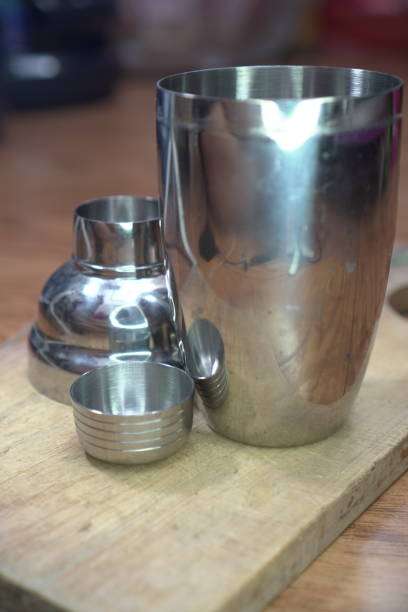
What is the success rate of bartending? Tools determine the lower limit.
The success of a cocktail is usually reflected in four aspects:
Was the cooling sufficient?
Is the dilution accurate?
Is the wine mixed evenly?
Is the appearance clean and neat?
These may sound like technical issues, but in essence, they all heavily depend on the performance of the cocktail shaker at the physical level.
If the tool itself has shortcomings, then no matter how hard you shake it, it will be difficult to maintain a consistent result.
In other words, a cocktail shaker doesn’t determine your “upper limit,” but rather your “lower limit” in terms of how easily you can fail.
Differences in materials will be directly reflected in the taste.
Cocktail shakers made of different materials show significant differences in cooling efficiency.
Stainless steel has a fast heat conduction speed, which can quickly remove the heat from the liquid in a short time, allowing the liquid to cool down quickly, while glass has a slower cooling rate, requiring more time and a better feel.
In cocktails that require rapid cooling, stainless steel cocktail shakers often provide a greater sense of “stability.”
I initially used a glass cocktail shaker at home. The recipe was perfectly fine, but I often felt it was too alcoholic. Later, I switched to a stainless steel cocktail shaker. With the same ingredients and proportions, the overall taste immediately became cleaner and more concentrated.
The capacity design determines whether the dilution is just right or out of control.
a cocktail shaker; many people only focus on whether it can hold the drinks, but they overlook a crucial issue:
whether the ice has enough room to move.
The small capacity limits the tumbling of ice cubes, making them prone to rapid dilution.
If the capacity is too large, the ice blocks will not impact sufficiently, resulting in reduced cooling efficiency.
A properly sized cocktail shaker allows the ice to tumble properly while shaking, without causing the drink to become uncontrollable.
This is why the same drink will taste noticeably more consistent when using a shaker with the right size.
The seal affects whether you dare to perform the action correctly.
A poorly sealed cocktail shaker can subtly alter the way you shake your drinks.
You might encounter:
Wine seeps out with a shake
The connector loosened after shaking it a few times.
Subconsciously reducing the force, only daring to sway gently.
I’ve experienced this myself. Because I was worried about leaking, I didn’t shake it thoroughly enough, and as a result, the sour glass that should have been balanced sounded loose and weak.
A good cocktail shaker gives you a sense of security, allowing you to shake the cocktail with the correct force.
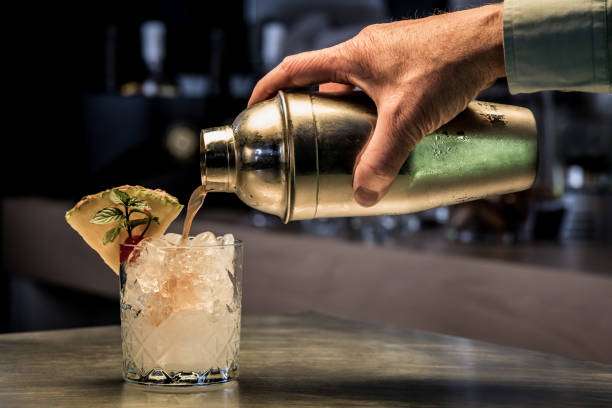
Different types of cocktail shakers have different effects on success rates.
Boston cocktail shakers
are commonly found in professional bars. They are highly efficient at cooling and have precise dilution control. They require a certain level of skill to operate but also have the highest success rate.
This three-stage
features a built-in filter, clear logic, and intuitive operation, making it ideal for home bartending and beginners. It boasts a stable success rate.
The French-style
falls somewhere in between, with an elegant design and balanced performance, making it suitable for users who value the experience but don’t want to be too “professional.”
The difference between different types of cocktail shakers is the “margin of error” you have when mixing drinks.
Why does the drink seem to change when you switch to a different cocktail shaker?
The reason is actually quite simple:
A cocktail shaker controls physical variables, not sensations.
Temperature, dilution, and mixing levels won’t automatically optimize just because you use more force or are more careful; they will only react to the tool’s structure and design.
A personal experience: It’s actually always there to cover your losses.
After comparing several cocktail shakers, my biggest takeaway is that
A good tool will subtly correct your imperfections.
even if:
There was a little too much ice.
Shake a little faster.
Uneven force
The final product remains consistent and delicious and is unlikely to turn out badly.
FAQ:
Q1: Is it really necessary for a beginner to buy a better cocktail shaker?
Yes, it is. Its value lies in reducing failures, not in showing off skills.
Q2: Are more expensive
Are cocktail shakers always better? Not necessarily. The key factors are the materials, sealing, and capacity design.
Q3: I followed the tutorial video, but why does it still taste wrong?
It’s very likely that the cocktail shaker’s cooling or dilution efficiency is insufficient.
Q4: Can one be used for all cocktails?
Most can, but protein shakers and cream shakers require better sealing and space.
Q5: Does
Does a cocktail shaker need to be chilled beforehand? Not necessarily, but chilling it beforehand can further improve its stability.
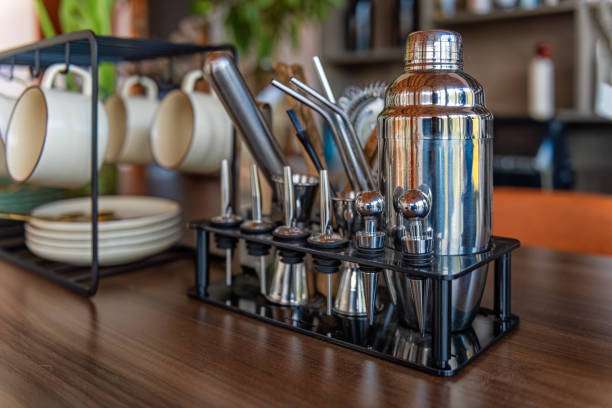
Conclusion:
Bartending is not some kind of mystical art; it is a craft that relies heavily on tools.
When your cocktail shaker:
Cooling down fast enough
The seal is stable enough
Reasonable space design
Bartending then becomes replicable, predictable, and successful.
If you are already familiar with the recipe and have practiced the technique, but still feel that the results are inconsistent,
Then what you really need to upgrade may not be your technique, but your cocktail shaker.
Choosing the right tool makes each shake a step closer to success.