

When mixing a perfect cocktail, a cocktail shaker is undoubtedly an essential tool for every bartender. Although it looks simple, its material, shape, and feel directly affect the bartending experience. From professional bars to family parties, choosing the right shaker not only enhances the fun of bartending but also provides a different sound and tactile experience.
The Importance of a Cocktail Shaker
For cocktail enthusiasts, a cocktail shaker is more than just a container; it’s the “accompaniment” to the cocktail. Different materials used in cocktail shakers not only affect their appearance but also provide unique sound and tactile experiences. Understanding these details can help you choose the perfect one for you, enhancing the ritual and professionalism of your cocktail preparation.
Whether you’re a novice or a seasoned bartender, choosing the right cocktail shaker is crucial. Below, we’ll explore the impact of four common materials—stainless steel, glass, copper, and plastic—on the user experience of a cocktail shaker, considering factors such as sound and grip.
Stainless steel wine shaker: a crisp metallic feel
The sound of a stainless steel wine glass being shaken
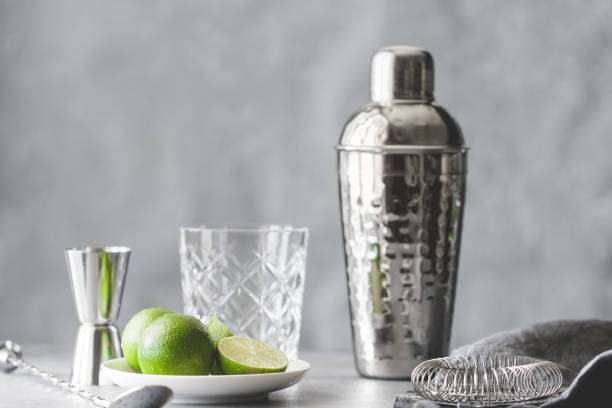
steel isStainless steel cocktail shakers typically produce a crisp, metallic sound, often referred to by bartenders and bar enthusiasts as the “rhythm of shaking.” When shaken, the sound of stainless steel striking ice is clear and powerful, creating a strong sense of ritual. For those who appreciate rhythm and sophistication, stainless steel is an ideal choice.
Stainless steel grip
Stainless steel cocktail shakers typically have a smooth grip and are easy to control. Their moderate weight allows for rapid shaking, making them ideal for bartenders working in high-frequency environments. Furthermore, the stainless steel material doesn’t absorb heat easily, so you won’t feel hot even after prolonged shaking, making it perfect for frequent use.
Summarize:
Crisp andSound: Crisp, metallic, adding a sense of rhythm.
Grip feel: Smooth and lightweight, suitable for quick operation.
A glass swirl for wine: a soft, ethereal sound.
The sound of swirling wine in a glass
than forUnlike stainless steel, glass cocktail shakers produce a softer, more ethereal sound. Glass has lower hardness, so its sound isn’t as sharp as metal but rather possesses a gentle, airy quality. This sound evokes elegant cocktail settings, adding an artistic touch to the bartending process. However, because glass is fragile, it’s more suitable for decorative occasions like upscale bars or family gatherings, rather than frequent use.
The feel of glass
Glass cocktail shakers are typically heavy to hold, especially when in contact with ice or beverages, as their surface cools down quickly. For bartenders who enjoy the cool touch of ice, glass shakers are a great choice. However, their weight can make them feel cumbersome over extended periods, making them unsuitable for situations requiring rapid shaking.
Summarize:
Sound: Soft and ethereal, bringing an elegant bartending experience.
Feel: Cold and slightly heavy, suitable for short-term use.

Brass shaker glass: a vintage, deep sound.
The sound of a copper cocktail shaker
The brassbrass cocktail shaker produces a deep, resonant sound, conveying a sense of calm and stability. Unlike stainless steel and glass shakers, brass offers a full, rich sound, creating a traditional and vintage ambiance. For those who appreciate a retro style and a classic bar atmosphere, a brass cocktail shaker is undoubtedly the perfect choice.
The feel of copper
The brass shaker has a very warm and smooth feel in the hand; after fine polishing, it feels smooth and textured to the touch. Because brass conducts heat quickly, the glass may get hot when shaking, so a certain amount of skill is required to control it. When mixing drinks, the weight of the brass provides greater control, making it suitable for users who prefer a steady and deliberate approach.
Summarize:
Sound: Deep, resonant, with a retro feel.
Grip feel: Warm and heavy, suitable for steady operation.
Plastic wine shakers: a lightweight and practical choice
The sound of a plastic cocktail shaker
Plastic cocktail shakers produce a softer sound, lacking the crisp “rhythm” of metal and glass shakers. Their sound is more muffled, potentially diminishing the ritualistic and enjoyable experience of shaking a cocktail. While quieter, they still provide a sufficient user experience for non-professional occasions.
Plastic cocktail shakers are very lightweight and easy to hold and sometimes have a rubber coating for added grip. Their light weight makes them ideal for casual settings like family gatherings or outdoor picnics. Plastics are typically designed for easy portability and storage.
Summarize:
Voice: soft, muffled, and lacking rhythm.
Grip feel: Lightweight and comfortable, suitable for family gatherings and non-professional occasions.
In conclusion:
When choosing a cocktail shaker, the differences in sound and feel are crucial to the bartending experience. Different materials used in cocktail shakers not only affect their appearance but also the sensory enjoyment of using them. In summary:
Stainless steel cocktail shaker: It has a crisp, metallic sound and is suitable for frequent use and environments requiring rapid operation.
Glass: produces a soft, ethereal sound, suitable for short-term use and decorative occasions.
Copper: Deep, resonant sound, suitable for a traditional, retro cocktail atmosphere.
Plastic: produces a soft, muffled sound, suitable for family gatherings and non-professional use.
Whether you prefer a lightweight and practical plastic shaker or a vintage-inspired brass shaker, choosing the material that best suits your taste will greatly enhance your cocktail-making experience. So, which material do you prefer for your cocktail shaker? Share your choice in the comments!