

A cocktail shaker is crucial when mixing cocktails. It not only affects the smoothness of the mixing process but also plays a decisive role in the final taste and appearance of the cocktail. Each type of cocktail shaker has its unique advantages and usage techniques. Today, we will delve into the usage techniques of Boston shakers, stainless steel cocktail shakers, and glass cocktail shakers to help you choose the most suitable tool for your needs and create the perfect cocktail.
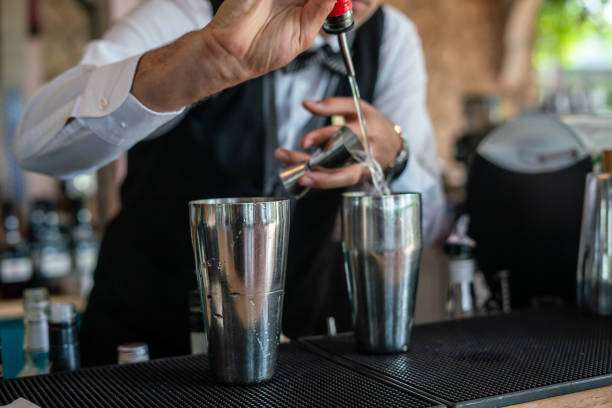
Boston Cocktail Shaker
A Boston cocktail shaker typically consists of two parts: a large stainless steel glass and a small glass or stainless steel glass. Due to its large capacity and excellent mixing properties, the Boston shaker has become the preferred choice for many professional bartenders.
Usage Tips
Separate the cup: The Boston cocktail shaker is designed for easy and quick separation of the cup. When using, ensure the two parts fit tightly together to prevent liquid spillage.
Shaking Technique: The Boston shaker is suitable for drinks that require vigorous shaking, such as Long Island Iced Tea or margaritas. Make sure to hold the glass firmly at both ends with your palms and use your wrists to shake it to prevent it from slipping.
Temperature control: The exterior of a Boston shaker is usually made of metal, which has strong heat retention properties, helping to keep drinks at a low temperature and preventing ice from melting too early.
Precautions: Ensure a good seal when shaking. If the two parts of the Boston shaker are not fully joined, liquid leakage may occur.
Beginners can start by practicing shaking the wine to get a feel for it and master the shaking technique, gradually improving their proficiency.
Stainless steel cocktail shaker
A stainless steel cocktail shaker is a common household tool, featuring a single container with a removable strainer and lid. Its simple design makes it especially suitable for beginners.
Usage Tips
Easy to use: The biggest advantage of stainless steel is its ease of use. Simply pour all the ingredients into the glass, put on the lid, and shake. It’s perfect for quickly making cocktails.
To keep the shaker steady: Hold the bottom of the cocktail shaker and cover the top with your other hand to ensure the glass is vertical and avoid excessive shaking.
Filtration function: The stainless steel shaker has a built-in filter that easily removes ice and impurities. Simply tilt it slightly to pour the liquid smoothly.
Precautions: Ensure the lid is completely sealed when using, especially when adding ice or carbonated beverages; otherwise, the liquid may spill out when shaking.
This type of cocktail shaker is suitable for drinks that don’t require much shaking or mixing. If stronger mixing is needed, a Boston shaker might be more appropriate.
Glass Cocktail Shaker
Glass cocktail shakers are loved for their transparent design, which allows you to clearly see the mixing process, making them especially suitable for bartenders and enthusiasts who value visual appeal.
Usage Tips
Transparent Design: The transparent design of the glass cocktail shaker allows you to observe the entire mixing process. Through the glass, you can clearly see the color changes of the drink, the melting of the ice, and other details, providing direct feedback for the mixing process.
Ideal for visual bartending: For beginners or bartenders who like to get to the details, the glass shaker provides a visual bartending experience, helping you to more precisely adjust the texture and taste of your drinks.
Tips for shaking: Be extra careful when holding the shaker, as the glass material is slippery and can easily slip off. Make sure both hands are firmly gripping it to avoid accidents caused by slipping.
Precautions
Glass is a fragile material, so handle it with care to avoid collisions, drops, or violent shaking.
Glass shakers have poor heat retention, so special attention must be paid to temperature control when preparing cocktails that require a low temperature for an extended period of time.
Factors to consider when choosing materials
Comfort during shaking
Stainless steel cocktail shaker: Stainless steel is generally better to the touch, less prone to breakage, and suitable for frequent use, especially for drinks that require vigorous shaking.
Glass cocktail shaker: Although it has a good visual effect, it requires extra care to handle due to the fragility of glass.
Temperature control effect
Glass cocktail shaker: Glass has poor heat retention and is more suitable for cocktails or drinks that are not sensitive to temperature or do not contain ice.
Stainless steel: It has strong heat insulation properties, which helps to keep drinks cold and prevent ice from melting too quickly, making it especially suitable for making chilled cocktails.
Appearance and Decoration
Glass: Its transparent design adds an aesthetic touch to the cocktail-making process. Ideal for cocktail enthusiasts who value appearance and presentation.
Stainless steel cocktail shaker: Simple and durable design, suitable for everyday use, especially for occasions such as bars and family gatherings.

Summarize
Choosing the right shaker material is crucial, depending on your cocktail preferences and needs. Boston cocktail shakers are suitable for drinks that require large volume and vigorous shaking, while stainless steel cocktail shakers are ideal for home use due to their simple design and ease of operation. Glass cocktail shakers, on the other hand, are better suited for visual mixing and precise control.
Now it’s time to elevate your bartending experience! Choose a cocktail shaker that suits you and create your perfect cocktail. Whether it’s a powerful Boston shaker or a simple and practical stainless steel or glass shaker, our products will help you mix high-quality cocktails for a bar-quality experience.
Click here to buy our professional cocktail shaker and make your bartending process easier and more perfect!